[Reading is Sexy] Understand Your Emotional Intelligence with ‘The Highly Sensitive Person’

“All virtues have a shadow.”

923950

For millennia, humans traded information by speech or song – imbuing tradition, history and knowledge with the tone of their voice. It wasn’t until 1440 when German inventor Johannes Gutenberg invented the printing press; in less than half that time we now have temporal, instant gratification reinforcing social media channels from Facebook and Instagram to Snapchat, TikTok, and the like. Where the world once ebbed and flowed at a nominal rate, it’s now gaining unparalleled speed and momentum. Many of us dance with overwhelmed feelings at one point or another – and the world’s recent stage has only catalyzed these feelings. From COVID and quarantine, to the reckoning of the ‘The Great Resignation’ and job wage inequity, not to mention race relations and the growing chasm of political divide – it really isn’t any wonder that feelings of anxiety and depression have run rampant these last few years (and let’s be honest, my heart rate just went up typing all that!). A society that’s overwhelmed means that we’re living in a constant state of over-arousal, that we’re all sitting on hairpin triggers waiting for the next emotional hurdle to be thrust into our path; it reinforces timid, introverted behavior and takes us out of being our ‘best selves’ while pulling us out of the collective human condition and isolating us within our minds. Continually ingraining ourselves within this hyper-stimulated, instant gratification, ‘go-go-go’ natured world – it’s no surprise that many of us have become, or always have been, highly sensitive individuals.

“Whatever the times, suffering eventually touches every life. How we live with it, and help others to, is one of the great creative and ethical opportunities”

― Elaine N. Aron

As it turns out, the more aware one becomes – the more deeply one feels. I was blessed with a good childhood for the most part, less my parents divorce when I was two, and grew up highly anxious for seemingly “no reason” (…according to therapists, family and friends). I had stomach ulcers in elementary school, and was in therapy from the age of 11 well into my adult life, and understand implicitly what it means to exist within a hypervigilant state and the want to feel “normal”.

“I am deeply moved by things. I’d hate to miss the intense joy of that.”

― Elaine N. Aron

I’ve discovered myself to be dichotomous: I enjoy moments of extroversion and love feeling like part of a large group, I equally find disdain fitting into a societal mold. I cry, easily; I laugh easily, too. I’m reactive, to a fault. I have a lot of feelings, not recognize that not all of them feel like my own – almost as if they’re at the heart of human nature’s cosmic collective, and it’s my emotional duty to experience all of them. It’s easy to become trapped in that feedback cycle, and I give a lot of credit to my family, friends and many, many therapists over the years for always being there for me to pull me out of it. But truth be told, it’s never easy to ask for help – and there have been times where I haven’t been as lucky; times when I haven’t wanted to ‘burden’ others with my thoughts, felt that I wasn’t important enough to find solutions to my feelings, or have existed outside of myself in a prolonged moment of dissociation, eventually discovering that I’m severely out of touch with my authentic nature. It’s these type of emotions that seem to reinforce the feelings of isolation, of introversion, of withdrawl – and within those feelings, very rarely does one choose to reach back out to the world for help. So thank goodness I stumbled across esteemed author Dr. Elaine N Aron and her book ‘The Highly Sensitive Person: How to Thrive When The World Overwhelms You’.

Part retrospective on an emotionally intelligent life, and part explorative into the nature of Highly Sensitive People – this book put me directly in touch with my true self, and made me understand that though I have felt burdened by my feelings – it’s beautiful to feel the world so deeply, and I wouldn’t change it for the world. I found a lot of myself within Aron’s anecdotes, and felt an odd sense of calm wash away cobwebs of mental chaos and calamity. As it turns out, one in five people fits in the category of being ‘Highly Sensitive’ – so even if it doesn’t describe you, having this knowledge in your back pocket will enhance your connections with others – in addition to parts of yourself. From reframing childhood events, understanding close relationships and bringing your emotional ‘A Game’ to the table – ‘The Highly Sensitive Person’ takes us on an emotional adventure to uncover our true nature, and give it a healthier spin. Plus, each chapter features a ‘self help’ section at the end so you, too, can do the work.

Want to connect with others like you? There’s a Facebook Group that I think you’ll love!

Are you curious if you’re a Highly Sensitive Person? Sure, maybe you’re absolutely aware of yourself – but in case you’re unsure, Aron has a self test on her website so you can understand more. Additionally, Aron has penned several other books on the topic – including a book for children and a workbook to go along with ‘The Highly Sensitive Person’.

Here are a few other tangentially related reads worth adding to your book list if Aron’s ‘The Highly Sensitive Person‘ piqued your interest,:

For more on the author and her series of books, check out…

Website | GoodReads

[Wander Washington] A Romantic Getaway to the Red Mountain AVA

While the skies shift slyly above us, the times shift slowly with us. The world always seems to slow itself down after the heat and hustle of the Summer, flowing into Fall relaxed and renewed, finding resolve in Winter and then new growth come Spring. Autumn in Washington means that Fall greets us with her cacophony of vibrant colors, and mercurial bouts of weather – instantly grabbing our attention; instantly reminding us that the long days and blue skies are, in all respects, officially said and done. Dualistically, it also means it’s time for adventures far and wide: chasing waterfalls, hopping amongst the San Juan islands and my personal favorite, strolling through Wine Country.

Looking back, I didn’t celebrate the transitions between the seasons with quite the same vigor and veracity growing up in California – but let’s get real: California simply doesn’t have dynamic, drastic shifts in weather that we see in the Pacific North West…or anywhere in the greater United States, for that matter. Though COVID had me a bit wary of travel these past few years – after landing a promotion and a raise, it felt right to celebrate with a weekend away in Eastern Washington’s AVA; wine not, right?!

For all the rain and grey skies in Western Washington, it’s a bit funny that the Eastern region of the state is more or less a vast desert on the border of the Columbia River, hiding in the rain shadow of the Cascades. Though not a traditional location for wineries, as climates shift and migrate the Pacific Northwest, and specifically Eastern Washington, has become a mecca for all things red wine and boasts a similar microclimate to both Chile and New Zealand, two other fantastic regions for reds if I do say so myself.

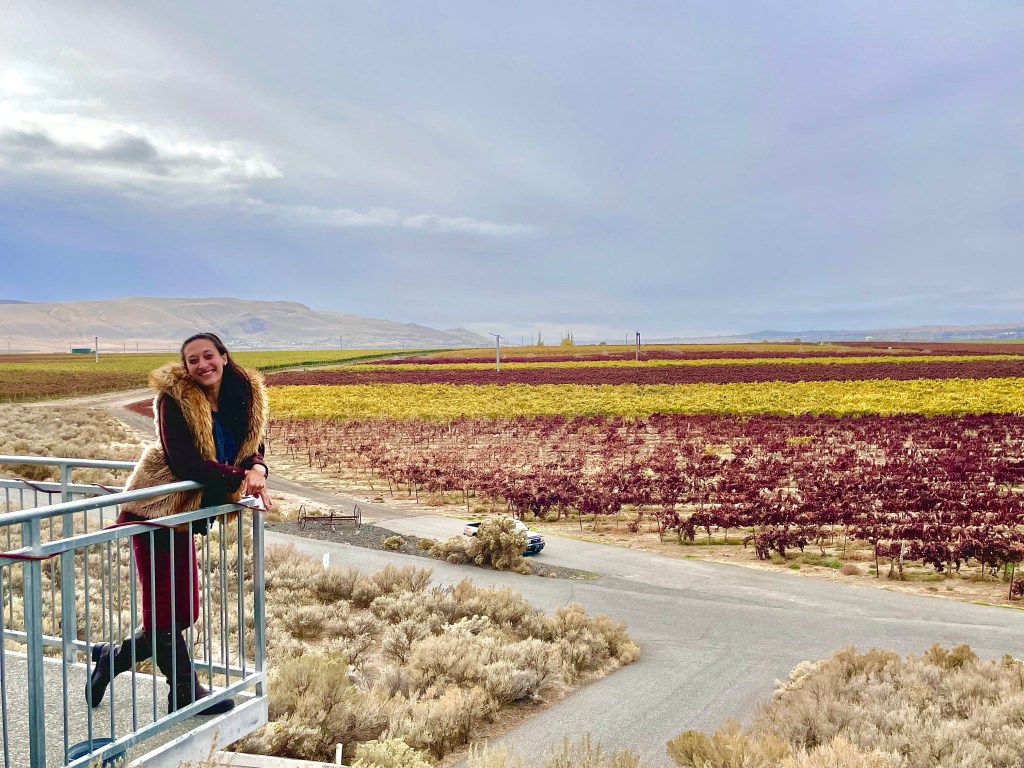
Known for being the smallest and warmest viticultural area in the Pacific North West biome, the Red Mountain AVA has proven itself to be an internationally renowned region for Cabernet Sauvignons, Merlots and my personal favorite – the Syrah. Sprawling over 4,000 acres of countryside in Eastern Washington’s Yakima Valley area, sprawling Red Mountain landscape gains its name from the local ‘drooping borme’, commonly known as cheatgrass; it matures to a vibrant shade of – you guessed it – red. Don’t fret – you can still find some incredibly crisp white wines, but when in Rome, right?

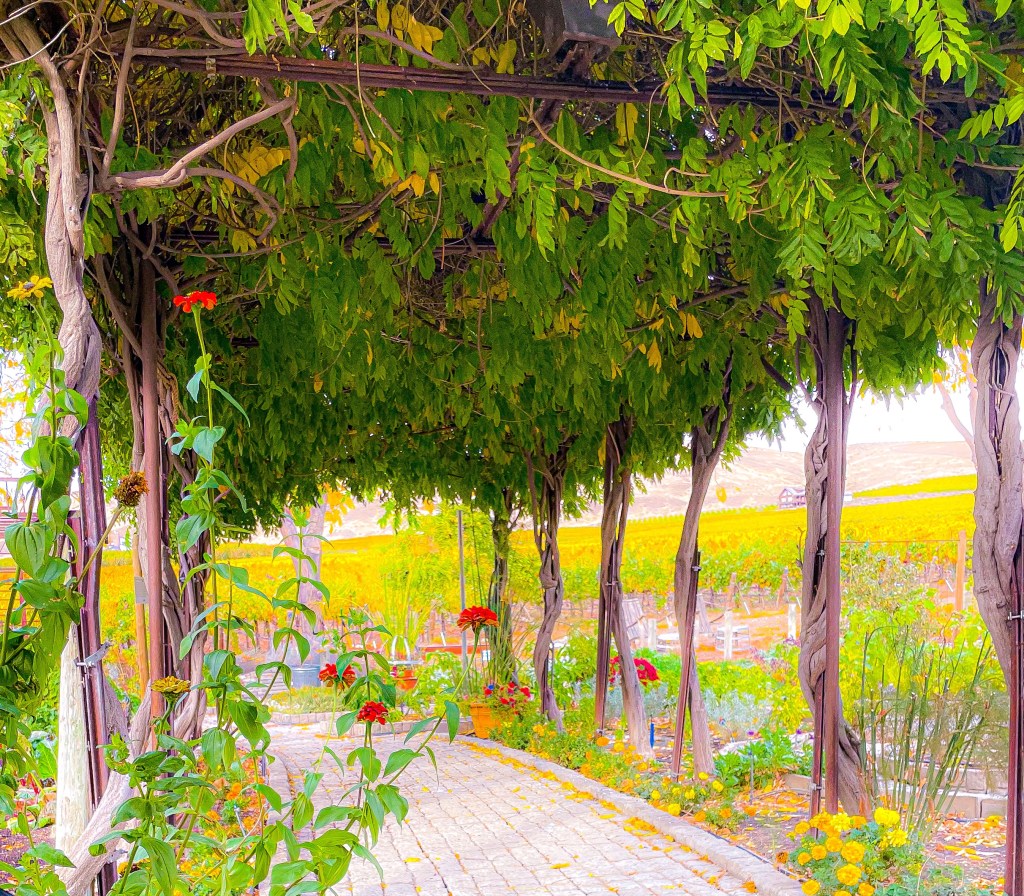
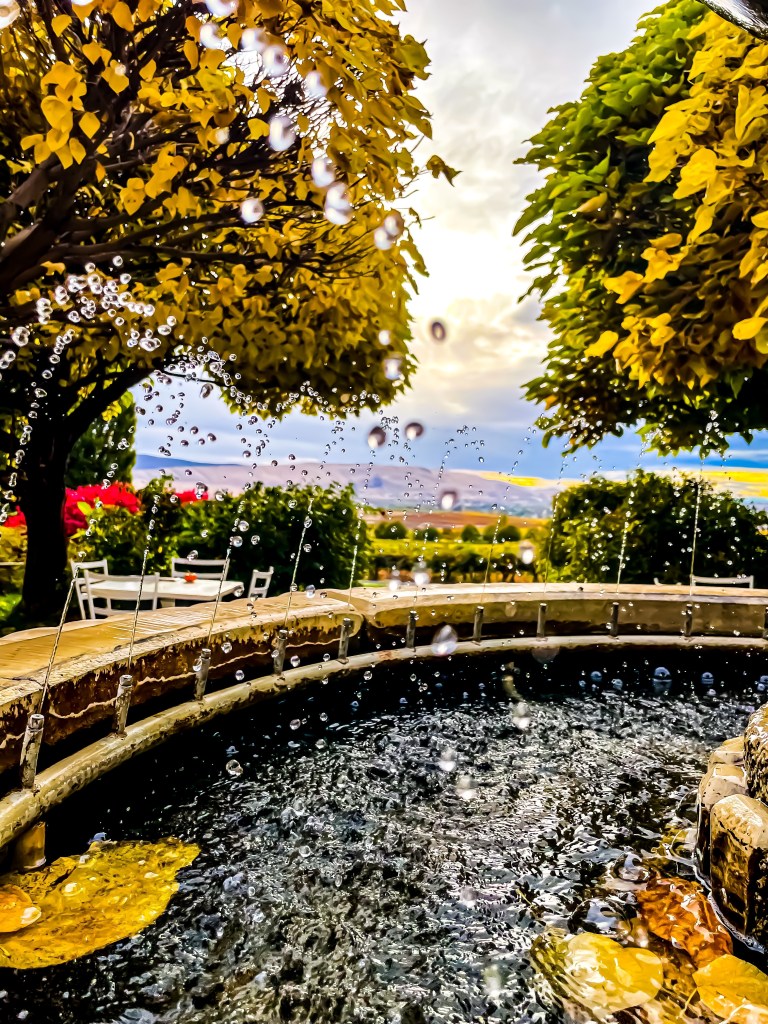
The View from the Hedges Family Estate

Starting in 1970 with Kiona Vineyards, the Red Mountain AVA is now 22 wineries strong and still blossoming. Most recently, in 2007 – Washington’s own and oldest winery Chateau Ste. Michelle (which has a fantastic tasting room at their estate in Woodinville) partnered with Marchesi Antinori, an Italian winery with roots back to 1385, on a $6.5 Million investment to co-produce a red varietal in the region. Personal favorite vinters in the area include the aforementioned Kiona Vineyards, and the fantastic Hedges Family Estates.

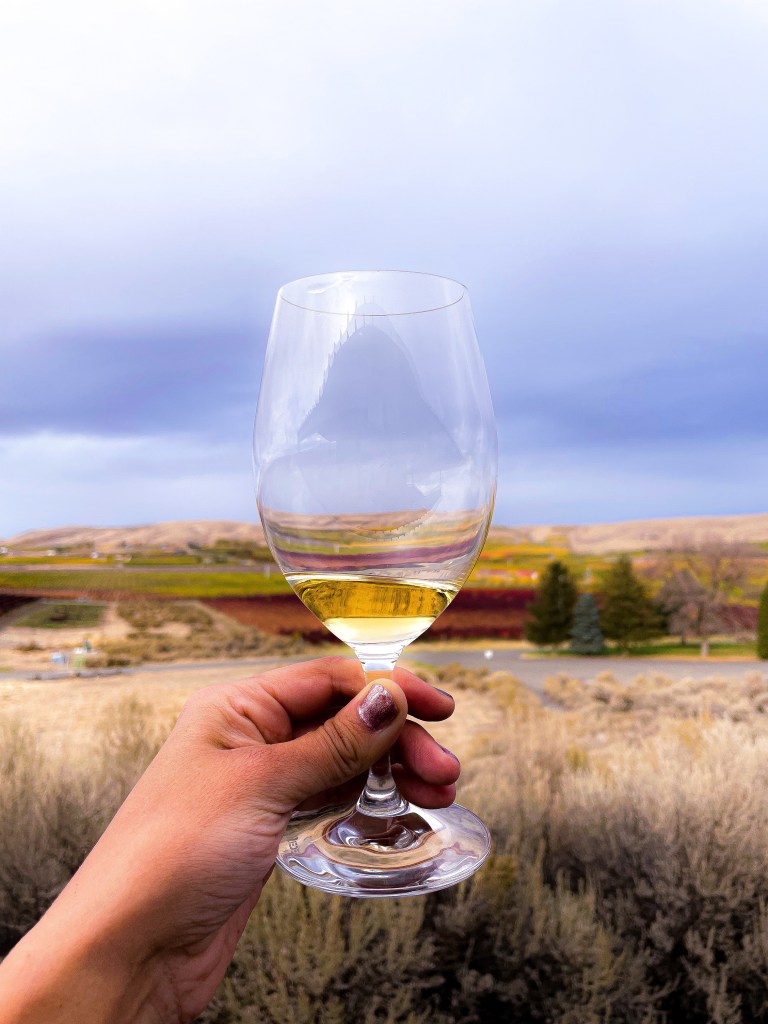
Chenin Blanc from Kiona Vineyards

From Seattle proper, the Red Mountain AVA is just a hop, a skip, and a wonderful road trip away – taking about four hours to travel to the South Eastern part of the state. If you’re a oenophile in the region, and have any sort of affinity towards varietals of reds – this area is simply not to be missed!

For more on the Red Mountain AVA – head to their website or social media channels, or if you’re really feeling the itch – plan a visit and just get out there. You’ll be glad you did!

Website | Facebook | Instagram

[Reading is Sexy] Savor the Adventure of Peter Heller’s ‘The Dog Stars’

“Life is tenacious if you give it one little bit of encouragement”

The Dog Stars by Peter Heller

Last year, I descended into the world of “Station Eleven” the brainchild from the esteemed Emily St. John Mandel and I felt myself come alive while understanding why ‘survival is insufficient’. Now, fast forwarded a year in time but in time alone due to the nature of our world struck down by COVID, and I’ve been moved to pieces by yet another post-apocalyptic tale with “The Dog Stars”, the debut fictional tale from Peter Heller.

“…it felt like my heart might burst. Bursting is different than breaking. Like there is no way to contain how beautiful. Not it either, not just beauty. Something about how I fit.”

It’s fantastic the life one can live between the covers and letters of a good novel. Similar to Station Eleven, we meet our main character, Hig, in sickness and in mourning, within a world turned upside down by a flu pandemic. In the pages that follow, the reader descends into awe inspiring adventure where over and over again, we discover ourselves as Hig rediscovers himself: through loss and through grief, through love and through the persistent longing for something greater than himself.

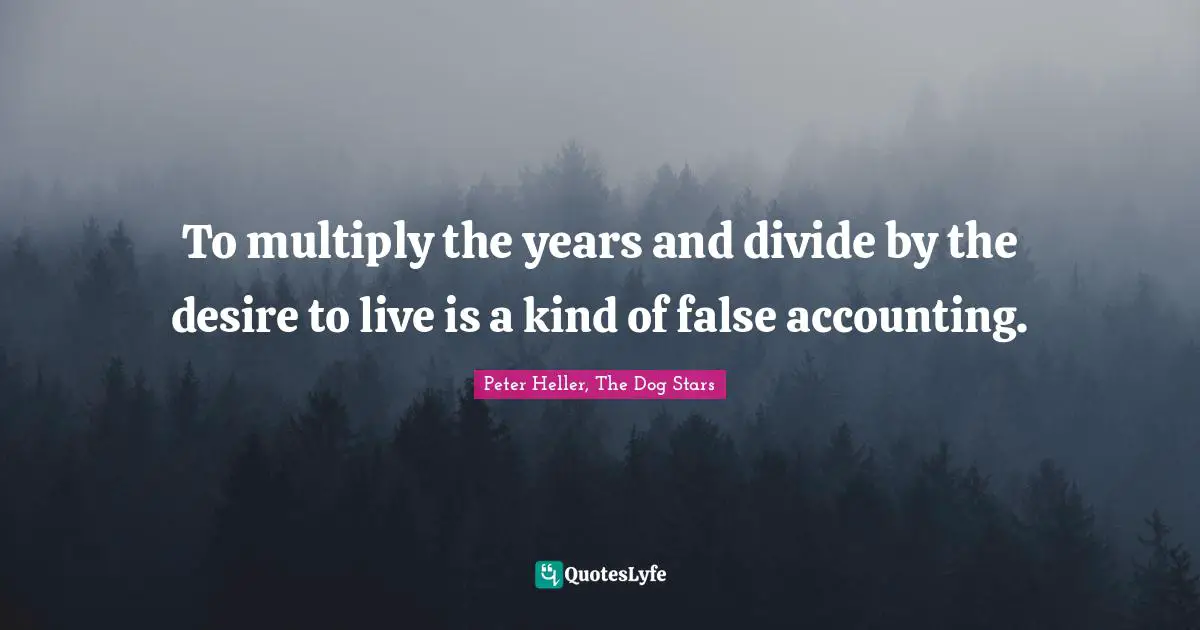
Peter Heller, The Dog Stars Quotes: "To multiply the years and divide by the desire to live is a kind of false accounting."

The first thing you’ll notice, and either happily engross yourself in or either have to get through – or – is the literary syntax. Heller effectually pulls the reader into the world of ‘The Dog Stars’ with the language, form and function based upon living inside Hig’s memory for the duration of the book – almost like a kite string, holding the novel together. You feel you, too, have had to deal with sickness from the flu, you too, have had to get your wits back about you and carry on in this new world: this new world without convention mirrored in analogy by the degradation of language and dissolution of formal conversation. Initially taken back, I quickly became enamored by it and found myself playing out the scenes vividly within my imagination.

Maybe it’s not the meek who inherit, maybe it is the simple. Not will inherit the earth, they already own it.”

Right after finishing the novel, I started scouring the internet – hoping that a film adaptation would be on the way. Which led to a good news, bad news scenario. Back in 2012, ‘The Dog Stars’ was optioned by the company that brought us the Resident Evil movies, German based Constantin Films. Unfortunately, there’s been literally no movement since. All things considered, with a year and a half of an international health crisis still lingering over us – could be an excellent time to toss that project into high gear.

Is it possible to love so desperately that life is unbearable? I don’t mean unrequited, I mean being in love. In the midst of it and desperate. Because knowing it will end, because everything does. End.

With his first fictional tale in the books, Heller has gone on to write two more novels – Celine and The Painter, as well as a handful of pieces of non-fiction including The Whale Warriors. A longtime contributor to NPR, as well as a writer for National Geographic, Peter Heller has an exceptional knack for weaving inspiring tales of adventure and resilience, and is sure to make you yearn for the romance of the great outdoors.

For more on Peter Heller, and “The Dog Stars” – head to his social media channels or simply head down to your favorite small book store and snag a copy yourself.

Website

Peter Heller on Good Reads | ‘The Dog Stars’ on Good Reads

Support a Small Bookstore with a purchase on Book Shop.

What’s the best post-apocalyptic book you’ve ever read? Let me know in the comments below!

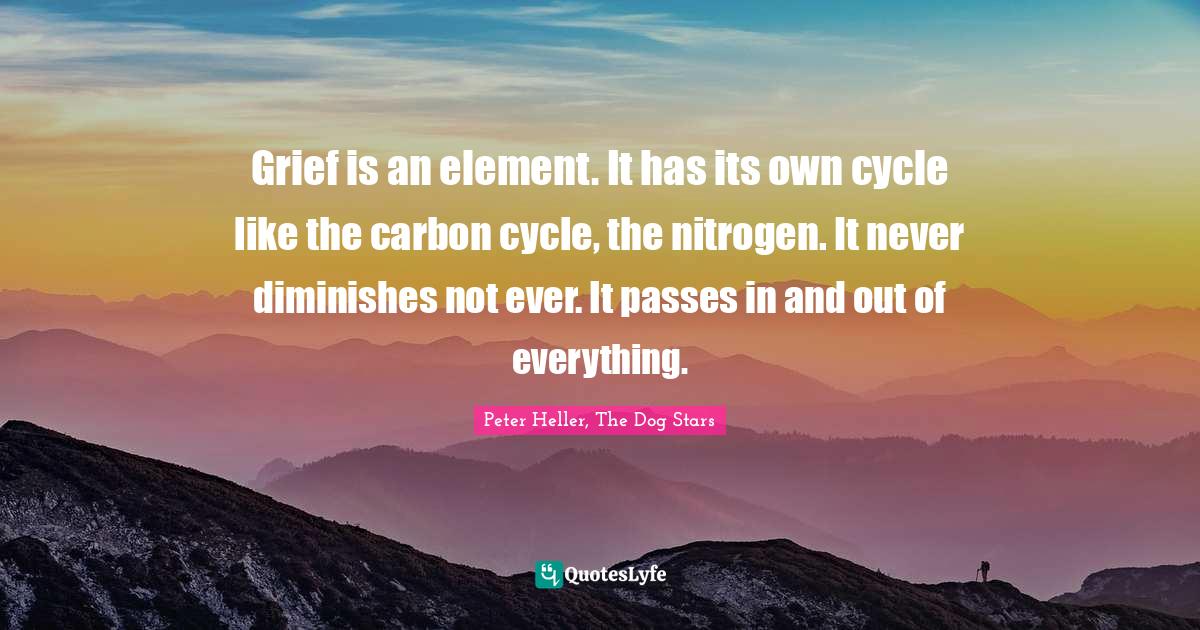
Peter Heller, The Dog Stars Quotes: "Grief is an element. It has its own cycle like the carbon cycle, the nitrogen. It never diminishes not ever. It passes in and out of everything."

[Seattle Sights] Immerse Yourself in Art at the Olympic Sculpture Park

As the last year and a half starts to blur together, and we collectively try and negotiate the new normals of the world, or whatever that means, more and more of us are flocking back to our old favorite habits in new stomping grounds. For the better part of the last two decades, the music world was my life – concerts, festivals, massives, raves; whatever the event was, I was there and loving losing myself in the middle of a crowd of sweaty strangers that could quickly become close friends. I wish I felt that those situations were a viable, healthy option at the moment; alas, I don’t. With the blossoming number of COVID variants, paired with living with someone who is immunocompromised…simply put, is a stupid idea for now. So in the meanwhile, I’ve been amassing my list of fantastic parks, gardens and outdoor venues to frequent in the Pacific North West and am so eager to watch the colorful cacophony of Autumn colors come into being.

I really wanted to believe that I’ve seen all that the city of Seattle proper has to offer – but time and time again, I’ve been proven delightfully wrong. Just the other weekend, I took a proper afternoon excursion to the Olympic Sculpture Park and I was so incredibly enthralled with everything it had to offer.

Encompassing 9 acres right on the edge of the Puget Sound, the Seattle Art Museum‘s Olympic Sculpture Park offers a novel and whimsical view of the downtown skyline befit with large scale, immersive art pieces that inspire insight, awe and adventure. What was once before an industrial site was transformed in 2007 into a wonderland, befit with bike paths and walking trails, rocky beaches and stunning vistas. A stone’s throw from the actual Seattle Art Museum, the Olympic Sculpture Park sits in Belltown bookended by the Central Waterfront to the North and and Myrtle Edwards Park to the South.

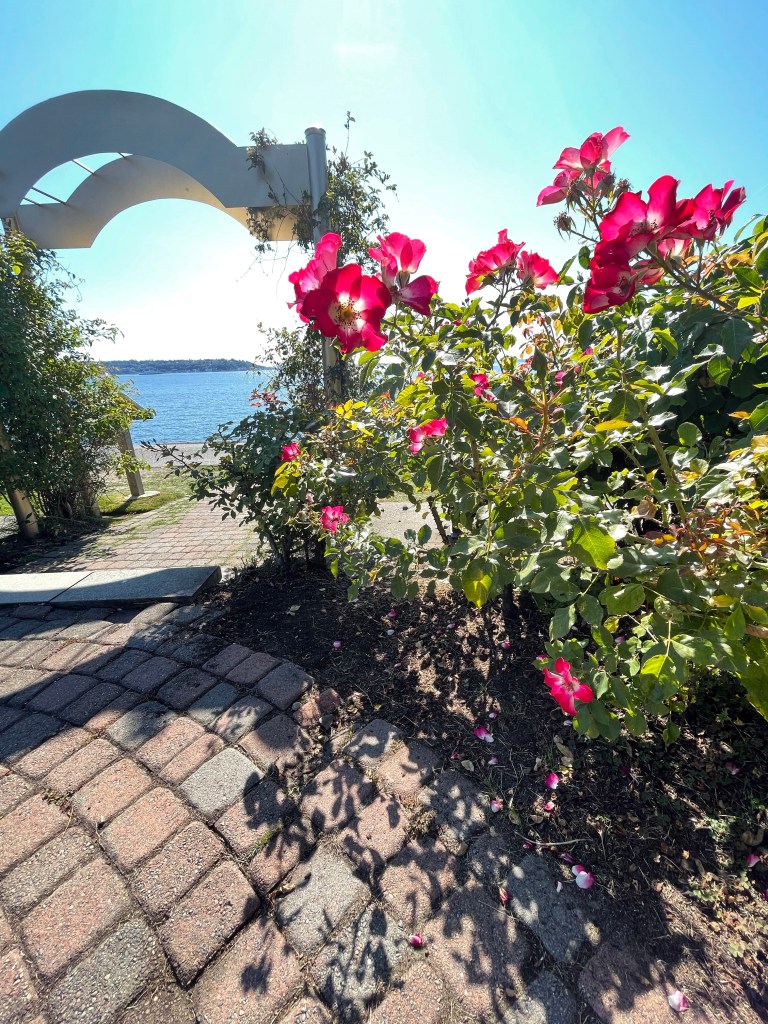
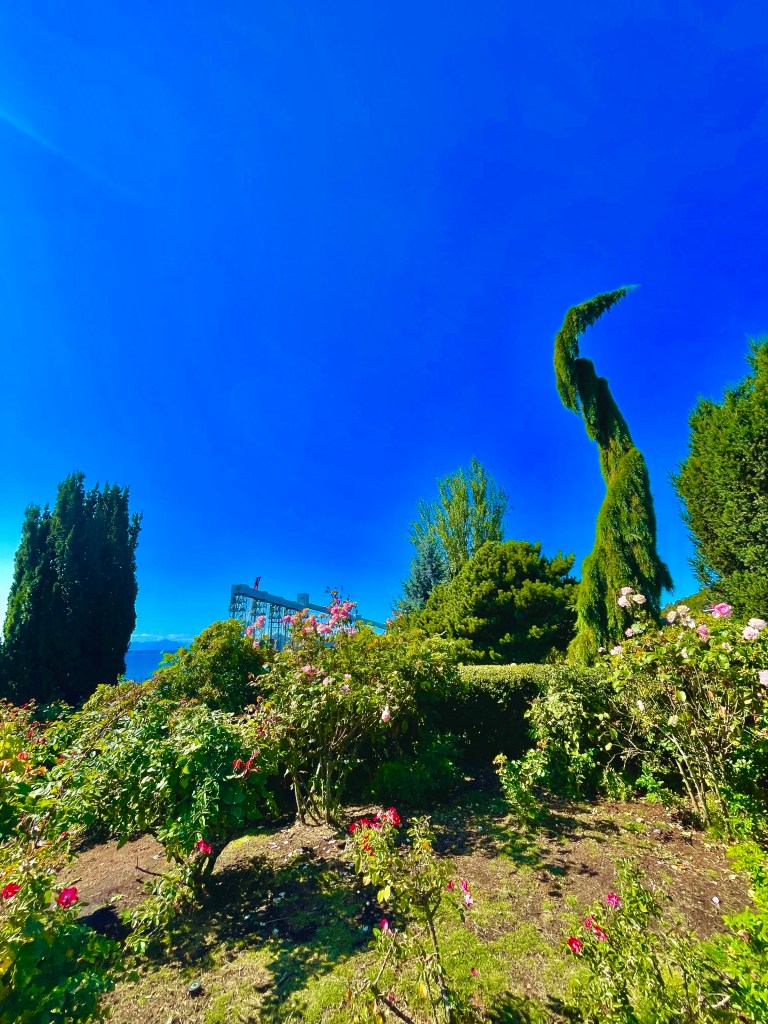
Hidden right off the trails is one of my new favorite micro-parks, the Rose Garden within Centennial Park; it might have a teeny tiny footprint, spanning about the length and width of the street on one city block. Color me a hopeless romantic, but there’s something so special, serene and soulful about smelling the incredible blossoms while getting a look at the sweeping seascape of Elliot Bay.

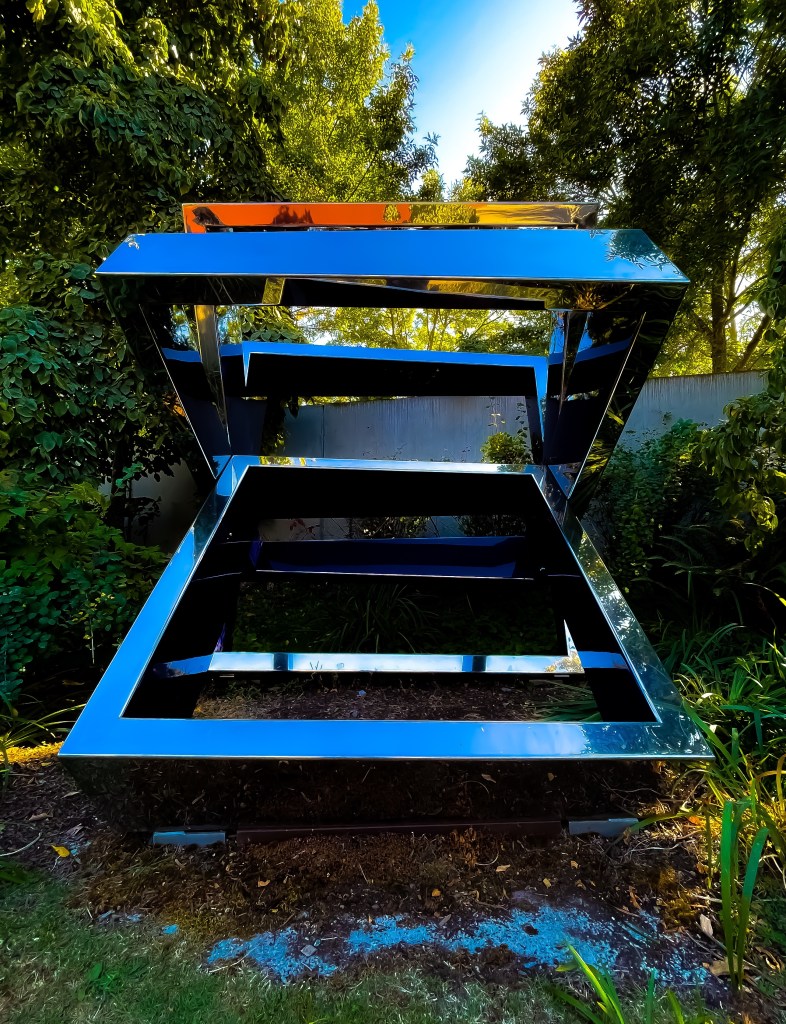
Meandering south, you’ll stumble across fabled fixtures like Alexander Calder’s ‘The Eagle’, a collection of Tony Smith sculptures – ‘Stinger’ and ‘Wandering Rocks’, and a few personal favorites like ‘Seattle Cloud Cover’ from the incredible mind of Teresita Fernández, Roy McMakin’s ‘Love & Loss’ and the illusion inspiring mirrored collection from Beverly Pepper.

Whether you’re in the mood for a picnic in the heart of the city, a long stroll with the Seattle skyline, sunset on the water or incredible art installations – the Olympic Sulpture Park has it all, and more. Though most of the collection is permanent, there are assorted temporary pieces that flow in and out of the park on a regular basis; paired with the ever mercurial weather and plenty of detours, each visit to the park has the opportunity to be a unique experience to be coveted.

For more on the awe inspiring Olympic Sculpture Park, head to their social media channels – or dive right in and experience it for yourself.

Website | Facebook | Twitter | TripAdvisor

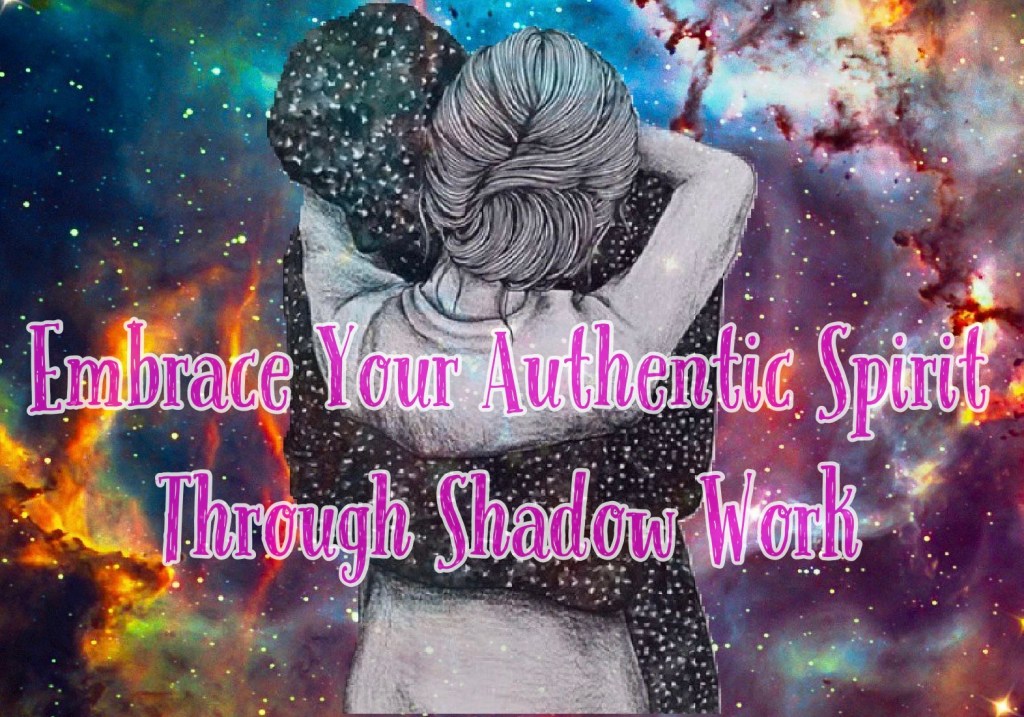
[Self Discovery] Embrace Your Authentic Spirit Through Shadow Work

Do I contradict myself?
Very well then I contradict myself,
(I am large, I contain multitudes.)

Walt Whitman, Song of Myself, 51

To be on a constant quest of self discovery is the most human thing there is, and it seems like for the past year and a half we’ve all been thrust into the soul searching world of personal development – whether we’ve wanted it or not. With the societally imposed downtime that COVID and quarantine have given literally all of us, it’s been the perfect occasion to dive deep and discover your unique truths. In my personal quest to appreciate, understand and evolve – I’ve found that it’s not always easy to love myself completely, in my entirety; for all my cracks and flaws, all of my shadows, have given me moments of pause, potentially even moments of discomfort.

In my darkest times, it felt disheartening; as if I didn’t know myself as well as I thought I did. A walk of emotional shame from an expectation hangover, where I was picking up bread crumbs to skeletons in my mental closet that I wasn’t prepared to deal with. It wasn’t until I fully committed myself to shadow work that I understood how fundamental it is to not only address the places within me that contain resistance, and parts of me that have been hurt in the past – but how I can hold space for those memories, observe them from a birds eye view, and then create a kinetic, positive feedback cycle to replace my old thought patterns.

Shadow work has helped me overcome my imposter syndrome, and catalyze a newfound growth in self confidence. But more than that, shadow work has helped me love myself in my entirety – and that’s something I haven’t had in a good, long time. So, let’s dive in and understand what it’s is all about, and maybe (hopefully!) shadow work can help you as much as it’s helped me.


“He who fights with monsters should be careful lest he thereby become a monster. And if thou gaze long into an abyss, the abyss will also gaze into thee.” 

Nietzsche

So, what exactly is shadow work? It’s a hot topic, a buzzword you’ve probably heard tossed around more times than ever in the past year – especially if you’ve dabbled in yoga, meditation or the transformation communities.

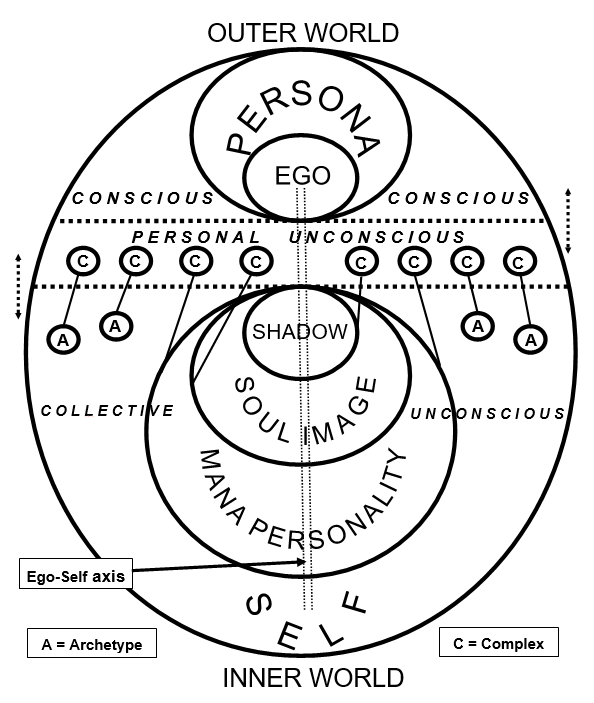
If you’re familiar with the philosophy of yin and yang, then the principles of shadow work will feel like a lightbulb moment; a modicum of thinking that we’re now able to put a name on. We all, as individuals, have an ego, a side of ourselves that we consciously display to the world, as well as ourselves. It’s the side of us that we’ve been constantly mastering our whole lives – building it up, and tearing it down wherever we’ve seen fit. As true as we can be to ourselves, there are things that we repress, resent and shudder away from that are true to who we are; there are facets of our personalities that we brush under a rug or hide in a closet in the corner of our mind. That is what creates the ego – the shadow of the ego is, in a way, the entire contents of that closet. It’s what happens when you take your demons out and acknowledge them as a gestation of your being just as much as the events or memories worn proudly on the sleeve of your soul.

The shadow self, then, contains all the parts of us that the ego eclipses; parts that go unseen to the conscious, or awakened, mind. It’s our unexplored; our uncharted waters and undiscovered emotional depths. Stemming from Jungian psychology, the shadow encompasses traits, feelings and emotions that are ‘unknown’ to an individual either through active or passive repression. If we are balls of clay, and society is molding our ego into the personality we externally display – our shadow side is the culmination of all those chisels into our soul. Negative experiences, expectations, interactions – if we are unable to deal with them as they are when they occur, they build up into our shadow self bit by bit.

“There is nothing scarier than facing the deepest realms of ourself, but there is also nothing more rewarding than that”


To commit to ‘shadow work’, then, is to do the mental and emotional ‘homework’ to bring your shadows into the light and out of the darkness; by acknowledging yourself as a dynamic presence, one that truly does contain multitudes, you’ll be infinitely closer to loving every fiber of your being as you authentically are. You’ll discover incredible personal growth because you’ll be able to see yourself for all that you are to the point that scars of the past will become tattoos and stories to muse over. While doing the work, it’s important that you really hold space for yourself and your growth as you re-experience dissonant events with new eyes – and remember, the point is to uncover discomfort, so be kind to yourself along your path into the light.

There are some fabulous creators out there who have done wonders to create templates and journal prompts for this very task, here are a few of my favorites:

[Unrefined Prose] 50 Shadow Work Journal Prompts to Help You Realize Your True Potential

[Seeking Serotonin] 31 Days of Shadow Work Journal Prompts For Healing, Self-Awareness & Growth

[Scott Jeffery] A Definitive Guide to Jungian Shadow Work: Shadow Work Exercises

My personal recommendation is to get a journal for shadow work and self reflection; it’s a calming and cathartic way to compartmentalize, and put to bed some feedback cycles and habits that I’ve held onto and the perfect litmus test for my temporal dexterity. But for all it’s worth, you could grab scrap paper or type it into the notes application on your phone. The important part here is that you do the work, not how you do the work.

I’m in much more of a mental flow state once after getting my mindset right – that includes yoga, breathwork, meditation or some combination of the three. For you, it might be as simple as right after your shower or after a good workout. If I have time in the morning before work, I’ll try and sneak follow it up with a gratitude prompt; but, if there isn’t an open chunk of time for my mental gymnastics, then I’ll use this as a wind down activity late at night as I’m getting ready for bed.


Have you had a chance to delve into shadow work before? What are some tricks or tips that have helped you embrace the totality of your being and process your past trauma? Drop me a line in the comments, looking forward to reading what y’all have found to be personally useful.

“The shadow is a moral problem that challenges the whole ego-personality, for no one can become conscious of the shadow without considerable moral effort. To become conscious of it involves recognizing the dark aspects of the personality as present and real. This act is the essential condition for any kind of self-knowledge.”

— Carl Jung

The Shadow: what you do behind your own back |Jungian Analysis

[The Audiofiles] Catch Cautious Clay’s Debut Album ‘Deadpan Love’

May be an image of 1 person and text

Though over time this blog has become has undergone as many iterations as I feel like I have, it’s original purpose – and the ever evolving gestation of my being – is music; sharing, enjoying, loving, grooving with, dancing to and discovering good music and fantastic artists. Over the past year, I think we can all agree that music has healing and saving properties and quite frankly I fucking miss going to see live music, letting the bass reverberate through your bones to the core fibers of your being.

Image

When the venues start reopening and concerts start flowing through – I already have a healthy list of new artists that I’ve had the pleasure of discovering over the the last year that I’m just itching to hear live. One of those artists is Cautious Clay and I’m so pumped that he’s finally releasing his first debut album Deadpan Love on June 25th.

Fusing blues, jazz, hip-hop and indie rock in a seamless manner – Cautious Clay curates a timeless air with his musical prowess while demanding your presence with deliberate and delicate vocals and lyricisms, evoking mature moods and complex emotions on a grand scale. Think Darius Rucker and Gary Clark Jr. meet Bloc Party, pull up a seat and lose yourself in the musical moments that he’s expertly curated.

A modern day musical hat trick of production, singing and songwriting, Cautious Clay – otherwise known as Joshua Karpeh – is (currently) an independent artist hailing from Cleveland, Ohio; why’s that in quotes, you ask? Because after this EP I simply cannot see his talents going unsigned. If you think you recognize his voice, you just might – Cautious Clay has two songs with John Mayer under his belt, and had his phenomenal track ‘Cold War’ sampled on T-Swift’s ‘London’ Boy’. In addition to his own songwriting credits, Kareph has assisted on three songs on John Legend’s ‘Bigger Love’ album, in addition to Alina Baraz and Khalid’s single ‘Floating’.

For more on Cautious Clay, fly by his socials:

Website | Twitter | Facebook | Instagram | YouTube

For more new music, follow me on Hypem or check out my ever evolving playlist on Spotify for new June tunes.

May be an image of 1 person and text

[Seattle Sights] Shoreline’s Best Kept Secret: The Kruckeberg Botanic Garden

If you look the right way, you can see that the whole world is a garden.’ — Frances Hodgson Burnett

For as long as I can remember, I’ve had an affection for botanic gardens and the art of landscape gardening in general. For as much credit as both my mother, my step-mother – and now my mother-in-law – deserve for instilling this love inside me, there’s ample credit due to a few locations back home; from the lavish landscaping at Filoli Gardens to the expanse of parks at and around Stanford University, as well as the now defunct Roger Reynolds Nursery and school field trips to the original Sunset Gardens Headquarters in Menlo Park. I didn’t know it at the time, but my senses were spoiled rotten – and my admiration for the beauty of nature was born.

After moving to the Pacific North West, my husband and I started putting little lists together of places to explore at one time or another; swimming holes, sunset spots, and interesting hikes. Now, a few years in – we each have some excellent lists of parks, gardens, beaches and scenery to check out from the coast of Washington to the desert, the Columbia River to the Canadian Border. No matter how far away we get from home, admittedly the places I have the most fun exploring are just a hop, skip and a jump away in some hidden part of my neighborhood that’s been itching for adventurers.

Falling head over heels for both the Arboretum and the Seattle Japanese Garden, I went down the digital rabbit hole looking for other local spots worth exploring. First things first, I was pleasantly surprised and proud of myself to realize that I’d gone to most that were on the lists! I could check off the Kubota Garden, the SAG and Arboretum, Discovery Park, The Woodland Zoo’s Rose Test Garden. Immediately, the Blodel Reserve on Bainbridge Island skyrocketed to the top of my bucket list – but then another caught my eye: a garden in our zip code; the Kruckeberg Botanic Garden.

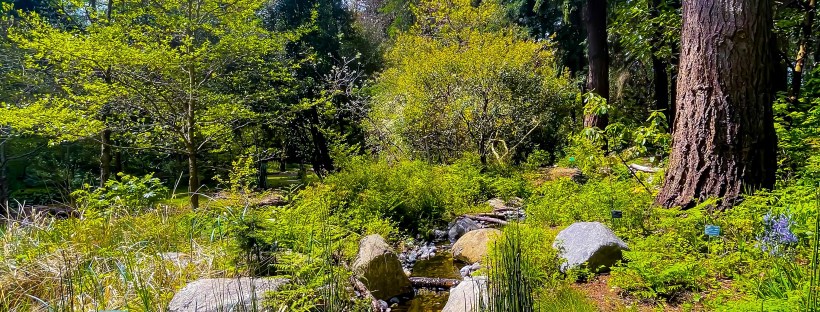
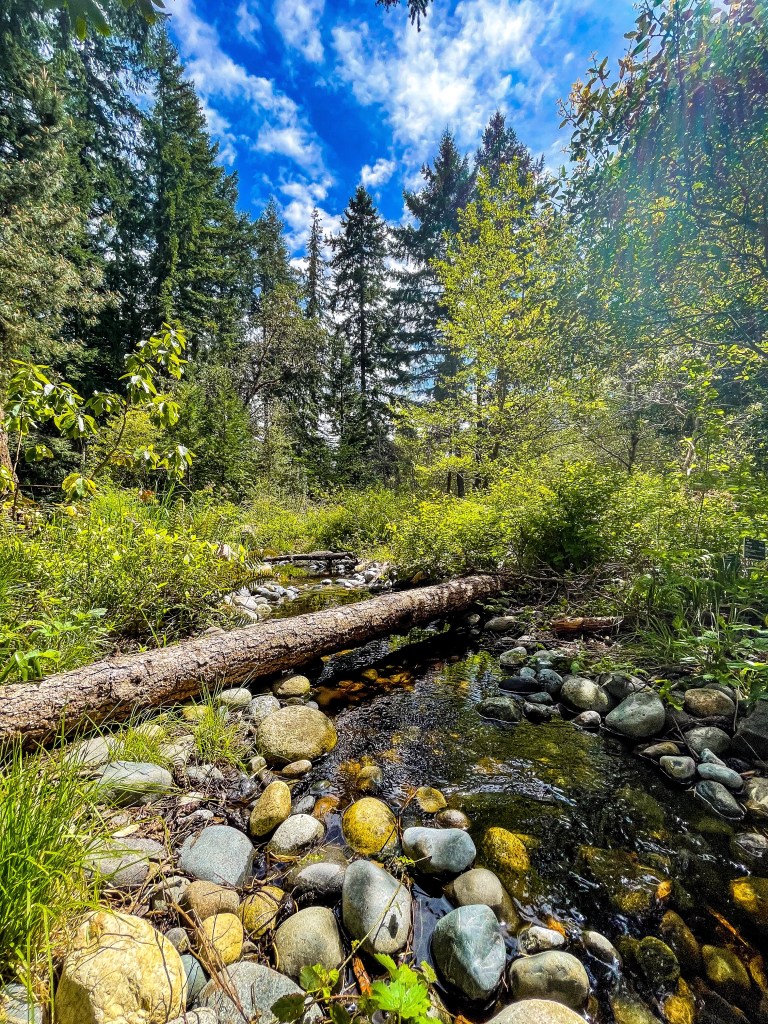
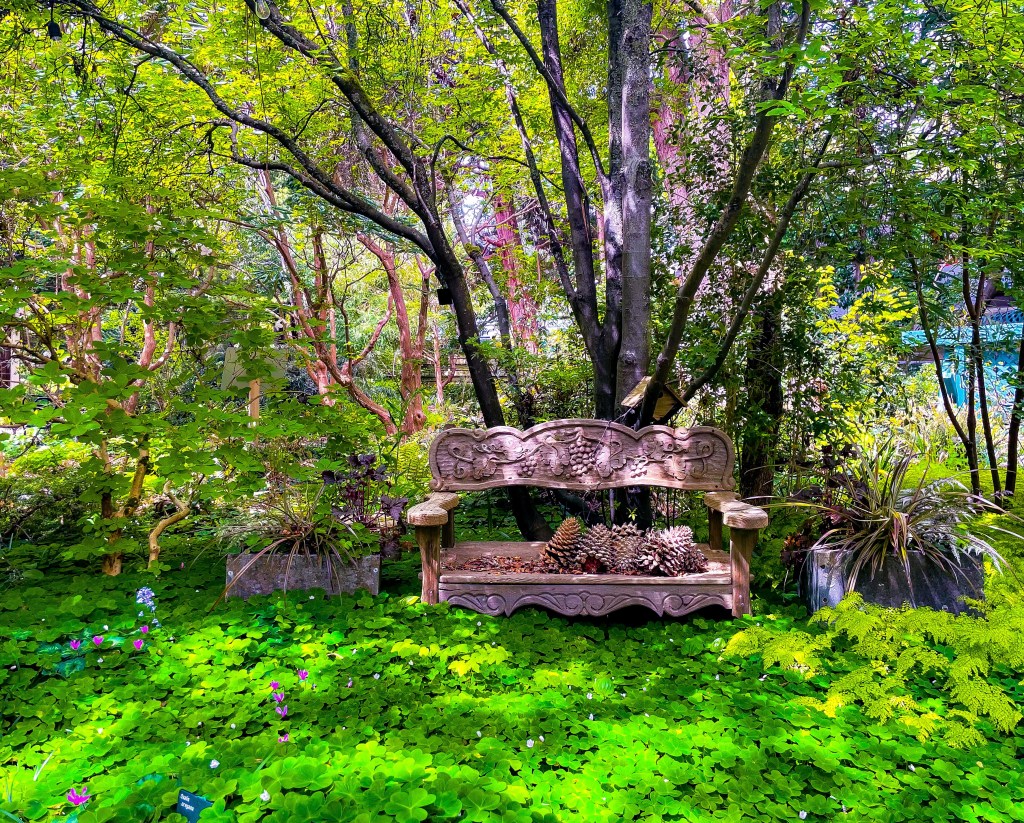
Tucked away in a small corner of Shoreline near Richmond Beach, the Kruckeberg Botanic Garden spans four acres of land, and boasts a blend of natives to the Pacific Northwest in additional to unusual exotics in a natural woodland setting. Founded in the 1950s by Dr. Arthur Kruckberg, a Professor of botany at the University of Washington, and his wife Mareen – a self taught botanist and enthusiast of all things flora and fauna. After purchasing the property in 1958, Mareen curated the first on site greenhouse for her rare plants in 1970, with a second coming just six years later. During this time of growth and evolution for the nursery, the rest of the grounds began to be expertly established. In 1998, a foundation was finally created to preserve their love of labor and just five years later, the garden was formally placed into a public trust to preserve it into perpetuity; it’s through Dr Arthur and Mareen’s love, legacy and dedication that we now can appreciate the wonderful gift of the Kruckberg Botanic Garden for generations to come.

Through their own collection of specimens, as well as a rich network of locations to exchange seeds with, their collection grew to contain everything from trees like the Giant Sequoia, Hemlocks, Spruces, Larches, Pines Maples and Oaks to flowering woodland plants like magnolias and rhododendrons, and to what my husband can only describe as ‘fern envy’ with a luscious undergrowth of vegetation around every turn. To boot, the Kruckberg Garden is home to a variety of State Champion trees (raise your hand if you knew that this was even a thing!), including a Tanoak, a Chokecherry and a lovely Striped Bark Maple.


For more on the history of the Kruckeberg Botanic Garden, and insight into educational offerings through their nursery – head to their social media channels; if you’re in the area, pay them a visit and thank me later! The grounds are open Friday through Sunday from 10 to 5pm, and admission is always free; one of my favorite f-words!

This image has an empty alt attribute; its file name is 2188b1e3-0b9e-4a24-a87a-d3c1c23719de.jpg

When’s the last time you stumbled upon a hidden gem in your neighborhood?

Website | Instagram | Facebook | Events and Tours | American Public Garden Association