[I’ve Got 5 On It] Step Up Your Home Gym Sessions

How to Set up a Home Yoga Studio — Simple Tips from Amy Ippoliti –  YogaOutlet.com

Rewind to two New Years Eves ago as I was dreaming up resolutions for 2020; I was getting into my groove of living in Seattle and was aiming pretty high. I wanted to go back to school to further my education, I was eager to make new friends in this new neighborhood in a new city, and get a gym membership and get back into some kind of athletic shape. Going back to school was easy, or at least on the easier side; sign up, show up to a digital learning environment, digest, regurgitate knowledge, repeat. Making friends was a bit more difficult, but I made do – forming closer bonds with the few friends I had that were local, and making friends with my new neighbors. So, last but not least – it was time to tackle my workout routine. Well, wouldn’t you know it but by the time I was ready to right my workout wrongs – COVID hit. Well, life hack: if you didn’t have a gym membership, you didn’t have to spend time cancelling it!

It did pose a new problem; when the gyms closed, I was left to my own devices. Good news – those devices included healthy limbs, running shoes, a yoga mat, and a few dumbbells. Fast forward to now, and my house has a punching bag, resistance straps, fitness bands, a balance board and so much more. For whatever I would have spent on a fitness membership, I transferred into having equipment of my own – and now I have a ‘no excuses’ gym in my own living room; and I’m here to tell you, you can have one, too!

As we inch towards vacations and social activity amongst the vaccinated, we’re all craving a Hot Girl Summer a la Megan Thee Stallion, and what better way than by leveling up your home gym game. For a full list of my favorite home gym products to level up your work out, check out my personal shopping list on Amazon. But for now, I’ve got five on it and have a good feeling these little home gym additives will get you to your six pack Summer without breaking the bank.

Yoga Mat


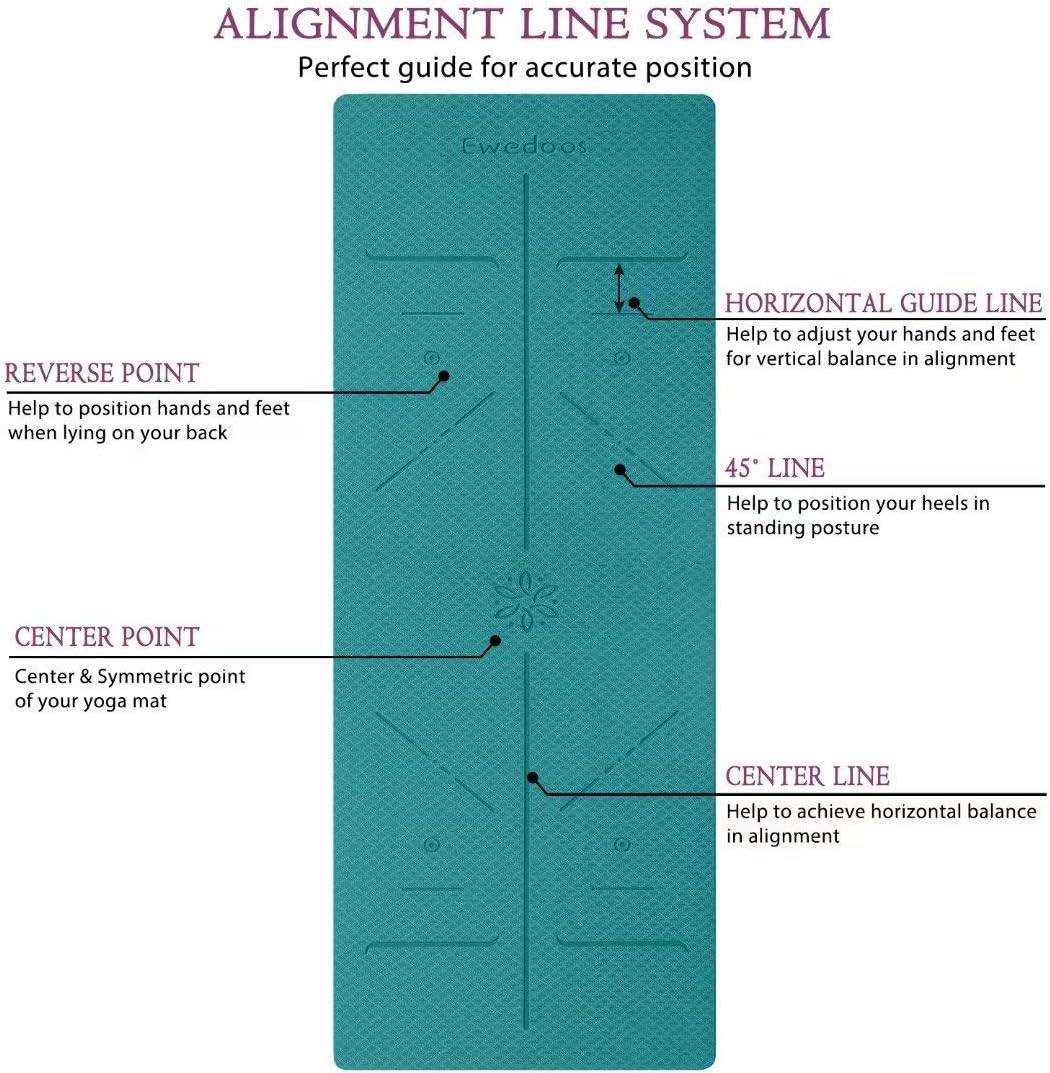
Ewedoos Eco Friendly Yoga Mat $28.95

Living in Los Angeles, it was only time before I fell in love with a local yoga studio. But once I moved to the Pacific North West, I stopped looking for one. Why? I found a great amount of resolve with Gaia and their vast array of yoga instructors, each with their own twists on poses and positioning.

Regardless of what style of yoga, how long you commit to your practice or what level you’ve reached – having a good yoga mat makes all the difference, especially on your joints. From headstands to meditation, and all the nuanced poses in between – having a good mat is the difference from a dedicated practice and not practicing at all.

The Ewedoos Eco Friendly Yoga mat is waterproof and easy to clean. Featuring sturdy gri and multiple guide lines for better posture as well as balance, Ewedoos mats are crafted from flexible Thermoplastic Elastomers (TPE for short) which makes for durable, long lasting equipment.

Yoga Block Bundle


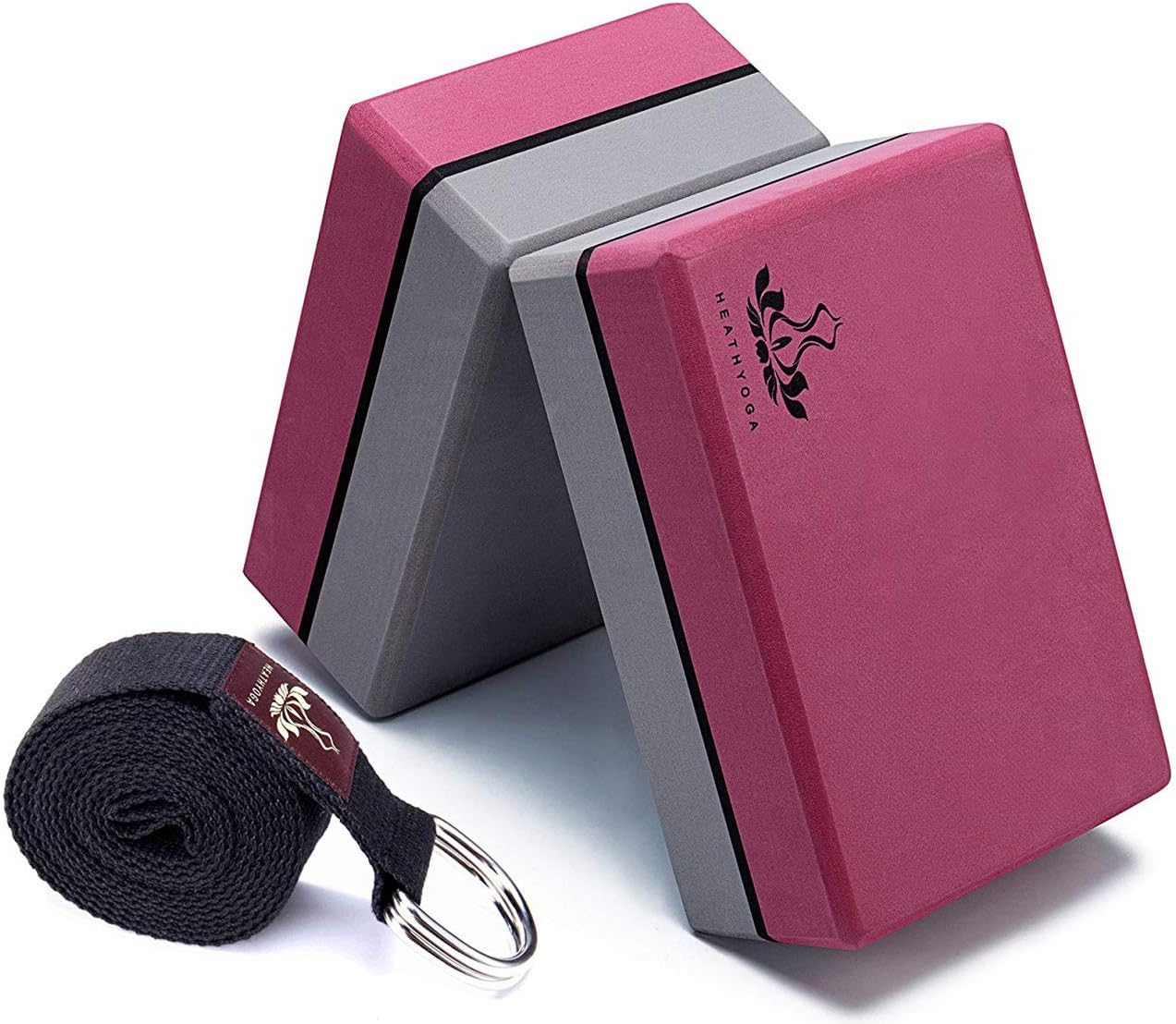
Heathyoga Yoga Blocks 2 Pack with Strap $19.99

Once you’ve got a good yoga mat, it’s only right that you get a few goodies to go with it to elevate your practice! Whether you’re a novice or dedicated to your practice, you’ll benefit so much from using blocks and straps for healthy stretching – and this set from Heathyoga is perfection.

Crafted with EVA foam, the pair of yoga blocks is moisture proof and non slip in addition to providing a bit of a cushion, even under heavy weight.

Coming in a bevvy of different colors, the yoga blocks are durable and flexible while providing the utmost support for perfect posture and your range of flexibility. Not to mention, having a strap in your arsenal makes even the most difficult poses feel doable!

Amazon.com : Mdikawe 53In-62In Adjustable Height Boxing Bag, Adult/Child  Training Boxing Suit, Quick Recovery Speed Ball, Standing Air Pump with  Base, Suitable for Fitness and Decompression. : Sports & Outdoors

Punching Bag


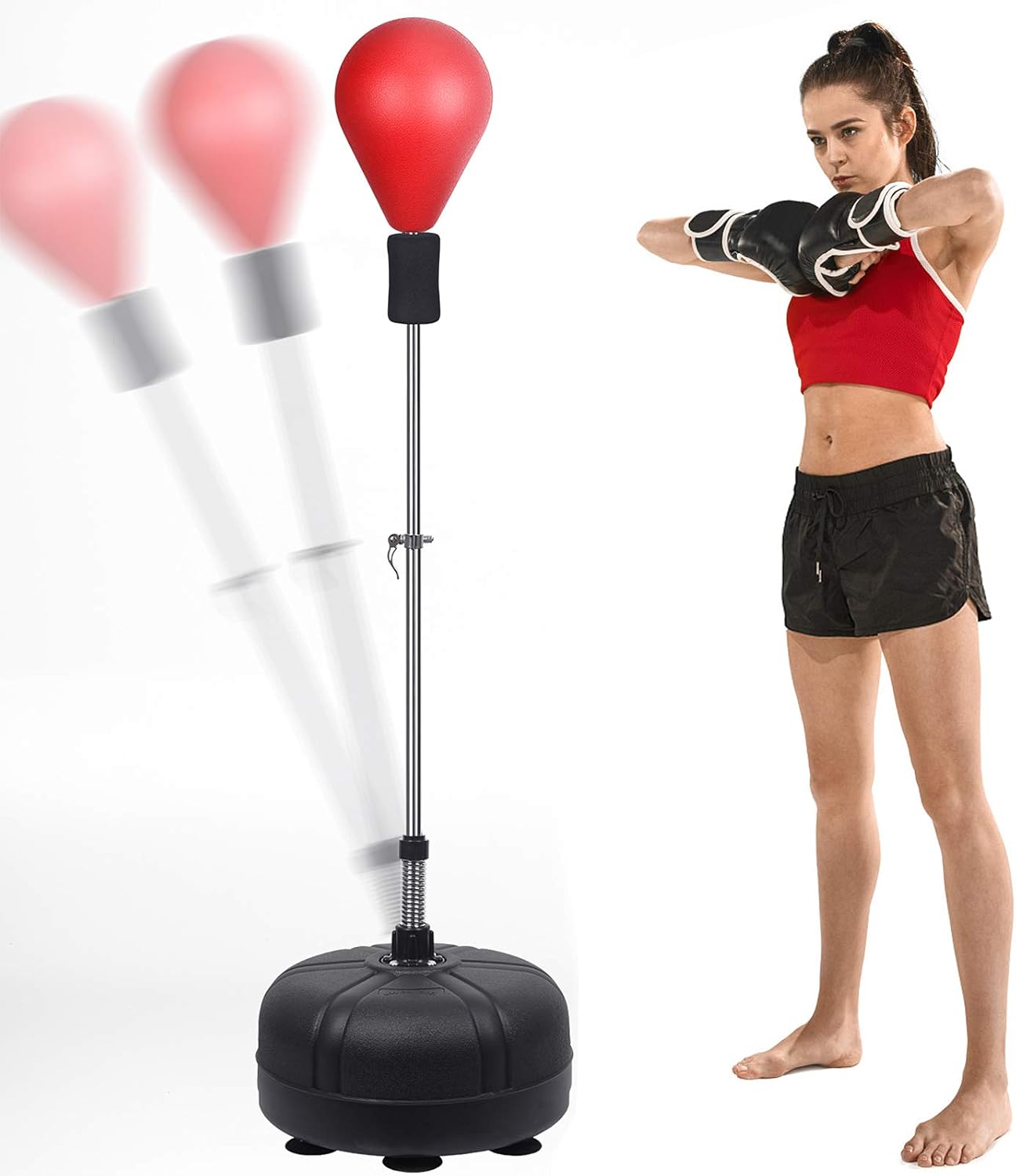
Mdikawe Punching Bag with Stand$49.99

After the last year, I doubt I’m the only person who just wishes they could hit something.

From the anti-vaxxers and the anti-maskers to the racists and the internet trolls, from fake news to terrible presidents and politicians spewing contemptuous levels of false vitriol, I can count on so many fingers the times I just wanted to punch a wall; I wanted to get my energy out in a fit of rage.

Now, thanks to having a punching bag in the house – I can get those feelings out whenever I want to in an incredibly constructive fashion.

This punching bag from the team at Mdikawe is adjustable, making it perfect for any age and any body height, featuring a durable speed bag that moves at lightning speeds.

The unit is highly responsive and quick as hell to install – perfect for improving overall fitness, in addition to your hand eye coordination.


Balance Ball


EveryMile Wobble Balance Board – $29.99

If I close my eyes and think about balance, I’m immediately transported back to my favorite yoga studio in Los Angeles, One Down Dog.

One morning as I was struggling through a practice, the instructor offered this bit of wisdom and it hits me all the time: our yoga practices mirror our relationship with the outside world; a flexible practice means exceptional your life – conversely, someone that finds balance easier in practice engages in better balance in their life as well. I am flexible, in my modes of communication and ways I choose to engage with the world. Unfortunately, I have terrible balance even standing on two feet! So, meet my newest best friend – the wobble balance board from EveryMile.

With a nearly 16″ no-skid surface, this portable balance board has a full 360° of rotation and a 15° tilting incline – paving the way for skillful stretches and improved dexterity. Target your core strength by playing around with one legged balance, or rehabilitate and recover from injury with improved muscle strength.


Resistance Bands


Kootek 18 Pack – $28

For your well rounded workout needs, snag this diverse set of equipment from Kootek and instantly step up your home gym with just one click. Whether you’re gunning for strength training, or want something to keep you on your toes during the work day – this package has you covered.

Last, but most certainly not least – this has been one of my favorite fitness purchases in the last year. Featuring ten different levels of strength training between the tube resistance bands and loop bands, you’ll also get ankle straps, handles, core sliders and a door anchor to ensure wherever you are, you can dive right into the workout your body needs.


Are you keen on heading back to the gym, or have you started to get your home gym into gear?
Am I missing something you love?


Let me know in the comments below!
[Self Discovery] Overcoming Imposter Syndrome

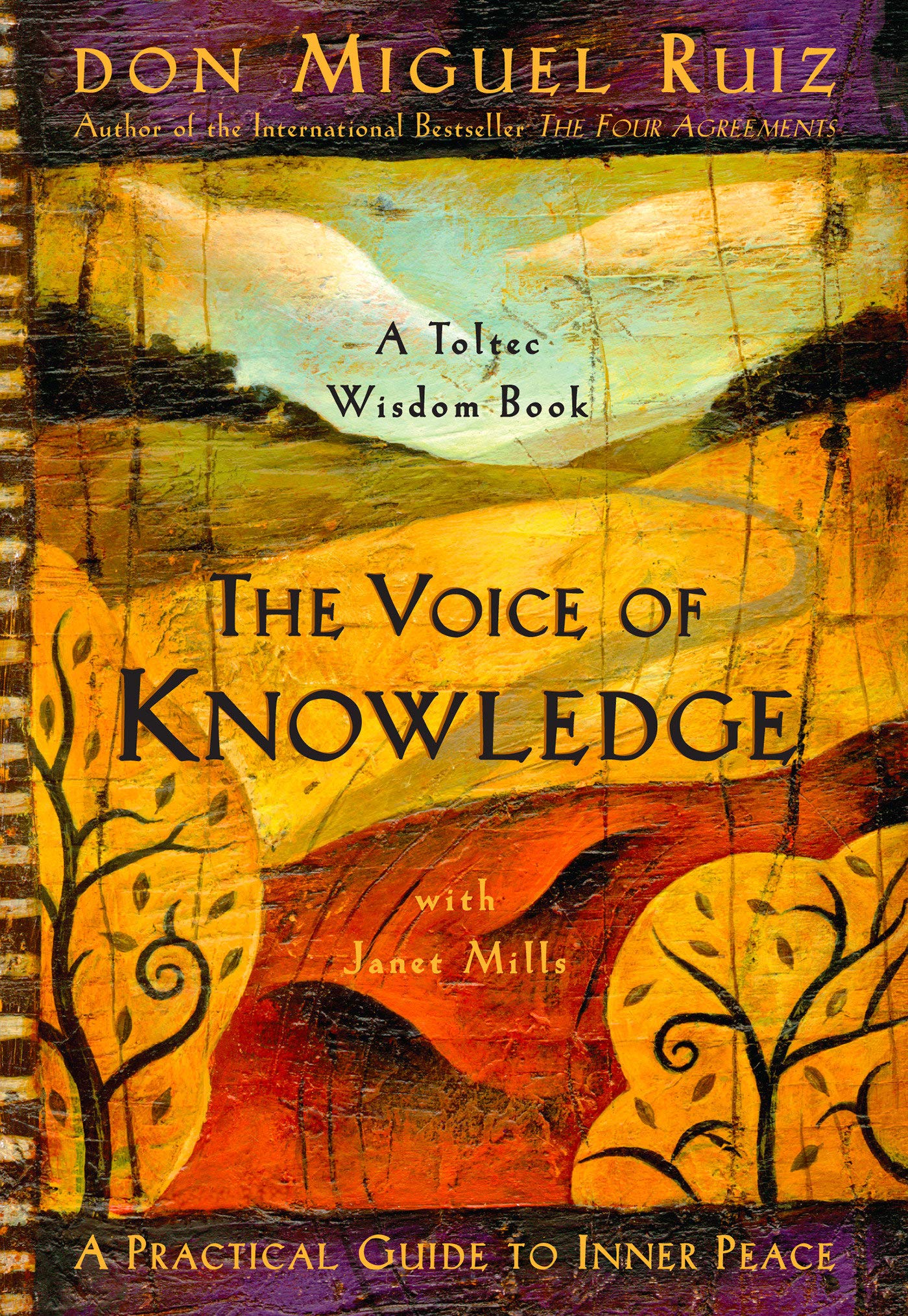
Last weekend as I pawed my way through ‘The Voice of Knowledge‘, a cascade of thoughts started rotating through my head: what does my voice of knowledge lie to me about, how did I become my own biggest critic, what are inauthentic truths that I try and force on myself and how can I be kinder to my own mental space. As it turns out, what I was suffering from at that time is called imposter syndrome. Imposter syndrome has kept me from raising my voice at important times, from trying my best at something I’m new at, and to be very honest – is what almost prevented me from writing this post to begin with; who did I think I was to try and explain imposter syndrome, why does it matter what my opinion is, and who the hell actually cares.


So, What Is Imposter Syndrome?

The psychological sibling of feelings like self-doubt, fears of failure and inadequacy, imposter syndrome is what prevents us from pursuing our dreams while instead reinforcing the idea that we are a living in a nightmare we have no control over. Though similar to feelings of low self worth and diminished self confidence, imposter syndrome is the continual feeling of rejection, or of being exposed as a fraud of sorts that doesn’t deserve their roses, no matter how well earned they truly are.

The Imposter Syndrome as a structural problem – Contemporary Issues in  Teaching and Learning

Imposter syndrome is the voice we have that refuses to acknowledge our wins – big or small, nagging us with ideas that we’re not good enough, that what we’ve gotten out of life has been by dumb luck and not our own doing, and that we are undeserving of any good that comes out of our life. Overwhelming and convincing, imposter syndrome pulls us away from our creativity and new ideas, while fortifying a negative feedback loop that screams we simply aren’t good enough and people will see through us to the hypothetical frauds we believe we have become.

Unfortunately, or fortunately – depending on how you choose to look at things – imposter syndrome is much more common than you think, and it’s synonymous with that pestilent ‘Voice of Knowledge’ that Ruiz refers to. Imposter syndrome seeps in when you move into new and novel realms of your life: from getting that new job, raise or promotion to releasing your creative genius into the world; I don’t know a single person who hasn’t been overcome by it at some point in their lives. The problem with imposter syndrome arrises when we use our psyche and ego as an excuse – we stop pursuing our growth and deny our human nature of evolution.

Own Your Success: Try These Tips to Overcome Impostor Syndrome | CCL

How To Overcome Imposter Syndrome

Remember those cartoons when we were kids, with the angel on one shoulder and devil on another? If you live by your imposter syndrome – you’ve shut the good news out, and have been focusing on the negative for far too long; often forgetting that there’s a large part of you that loves yourself, respects yourself and wants to be heard. If you can’t get back to negotiating between the duality of these feelings, the least you can do for yourself is to shut down the pessimism and marinate in the art of being still. By acknowledging imposter syndrome and calling it out for what it is – we prime ourselves to reframe our mental space in a healthier fashion. If we can learn to adopt a growth mindset – we realize that as we negotiate with and move past what we are not, we reinforce the unique beauty of living as our authentic self. That might sound easier said than done, but I promise – it’s truly just as easy as trapping yourself in your negative emotions.

Imposter Syndrome : comics

At the end of the day, we are all the best at being ourselves; meaning that you are the one person in the world that is the best at being them. What we are not, however, is our emotions. We must learn to let them pass over us as clouds to our mental sky, they might cast a shadow – but we are not the shadow, we are the sky that wants to shine as bright as possible. When we listen to our imposter syndrome, we are choosing to not share the beauty of our true nature with the world. Instead of falling back into the feedback loop of imposter syndrome, try these mental tricks instead.

Let's destigmatize the conversation about impostor syndrome! - BioScope

For starters – be kind to yourself and the way you talk to yourself. Would you let a stranger talk to you the way you talk to yourself? If we come at our relationships from a point of love and understanding, we allow ourselves to hold space for our emotions in a more positive light. Start by writing yourself love notes and leave them around your home and office; remind yourself how amazing you are! Be able to separate what is fact from what you’re feeling; they are not the same but our minds are so strong that the two can become intertwined. Understand that to make a mistake is human, and to grow outside of your mistakes is divine.To win the mental war you’ve been waging against yourself, it’s just as important to win the smaller battles. Limit your time on social media; if comparison is the thief of joy, then Facebook, Instagram and Twitter are emotional burglars. They reinforce the attention economy, while taking time and joy – replacing them with feelings of gross inadequacy and depression. Compile a list of your tiny, day to day wins – and know that they’re just as fantastic as larger ones. Start working with a gratitude journal – my personal recommendation is the Tiny Buddha’s Gratitude Journal – or Spirit Animal Cards to establish more positive emotional pathways. It’s on us to ensure that our exterior world has our backs, and best intentions in mind – ensure your support system is full of positivity; we are the synthesis of the five closest relationships that we have – and chances our, they’ve felt a similar way – if we open the lines of communication, we can not only champion our own imposter syndrome but we can help others overcome theirs as well.

Do you recognize when imposter syndrome is setting in?
What tips and tricks have helped you bounce back to your authentic self?

Share some love in the comments below and let’s help each other be the best versions of ourselves that we can be.

[Reading is Sexy] Understanding the ‘Voice of Knowledge’

“In the case of good books, the point is not to see how many of them you can get through, but rather how many can get through to you.”

– Mortimer J. Adler

When a good book hits you with words you need to hear, it gives one pause and perspective; and often, a necessary shift in mood. For the last few months, I’ve been bouncing between a few books – but nothing that had truly immersed me into it’s literary universe until the other week when I bounded through the last pages of David Brin’s ‘Sundiver’; after several months of investing myself into the characters and plot twists, I had finally made it to the end, fully enthralled in Brin’s ‘Uplift’ sagas. After I make it through any work of fiction, I tend to re-set my mind with a book on the other end of the spectrum – like the natural sciences, psychology, mathematics, etc. As I started pawing my way through my bookshelves on Saturday morning, one popped out at me that I simply couldn’t put down: The Voice of Knowledge from the esteemed don Miguel Ruiz.

“You are alive, and you don’t need to justify your existence.
You can be the biggest mystery in your own story.”

― Miguel Ruiz

I’d read ‘The Four Agreements’ and ‘Mastery of Love‘ some years ago, and had apparently forgotten that I was in possession of the third in the series. If you’ve never heard of any of these before, you’re in for quite the treat. Now, you don’t necessarily have to have read his other books to jump into ‘Voice of Knowledge’, but having some rudimentary knowledge of his other materials provides a nice frame of reference to this one.

Inspired by the Toltec wisdom of his family line, don Miguel Ruiz implores his readers to open their eyes, minds and hearts to a healthier way of handling the world – the one we create inside ourselves, and the external world we live in. In ‘The Four Agreements‘, Ruiz implores on us that if we keep the four agreements in our hearts and in our heads, we will find that life is kinder to us – that the world around us vibrates at a loving frequency, and that we are more at peace with ourselves, more in love with our true nature, if we can establish these four agreements as a psychological baseline for how we interact with the world.

If we are impeccable with our word, we pave the way for concise and clear communication – both externally, and (this is the more important part) internally; being true to our own nature, allows others to be more authentic with us. By not taking anything personally, we don’t allow others to dictate our emotions through their actions (or, inactions). Without making assumptions, we deal with the world as it truly is – not an idealized version of it. Finally, always trying your best means you can wake up and go to sleep every day knowing that you did all you could to be you.

Within ‘The Mastery of Love’, we are reminded that the best way to have a fulfilling relationship is to build a relationship of love with yourself. Once we have acknowledged the need for the ‘four agreements’, the first person we must establish those with is in fact ourselves. By learning to respect ourselves with our own truths, we can embody the ‘Mastery of Awareness’; in becoming spiritual masters of our own realm, we immediately commit to the ‘Mastery of Transformation’. When these two masteries are combined, we engage with the full ‘Mastery of Love’

Finally, we meet ‘The Voice of Knowledge’ – and what an enlightening look at the way we deal with our own personal truths, and our own suffering. As society heads back into a ‘new normal’, I think it’s important to own, understand and hold space for our authentic selves – and reading the ‘Voice of Knowledge’ truly drove that home. When we remove the ego driven ‘voice’ of knowledge that we carry in our head, and commit to living the four agreements – we find a life based on respect, love and honesty. First, that involves respect, love and honesty with ourselves. Throughout the book, Ruiz implores on his readers that we need to be kinder to true nature, and revel in being ourselves.

We were all born with a childlike sense of wonder and amazement in the world, and overtime our personal narratives told us that we weren’t good enough as who we are at our core – from teachers, to family, to friends and strangers in between, each interaction with the world molds us into something we didn’t intend on becoming, and never were. The ‘Voice of Knowledge’ helps us dissolve the ideals placed on us by the world without us, as we start listening to our own spirit once again. We are with ourselves all of the time, it’s important to learn to enjoy that relationship with openness and honesty, and that begins with being honest with ourselves. As we discover our authentic voice, the one that we’ve learned to quiet over time because of the words and actions of others, we can start regaining our personal power and live our lives in truly touch with our spirit and soul.

Are there any books or authors that have helped adjust and shift your personal perspective on the world? Let me know in the comments below! For more on don Miguel Ruiz and his other fantastic books on Toltec wisdom, head to his website or social channels.

Website | Facebook | Twitter | Instagram | Good Reads

“You are divine, you are perfect, but as an artist,
you create your own story and you have the illusion that the story is real.
You live your life by justifying that story.
And by justifying the story, you are wasting your life.”
― Miguel Ruiz, The Voice of Knowledge

[Seattle Sights] Tranquility at the Seattle Japanese Garden

“The art of stone in a Japanese garden is that of placement. Its ideal does not deviate from that of nature.”

Isamu Noguchi

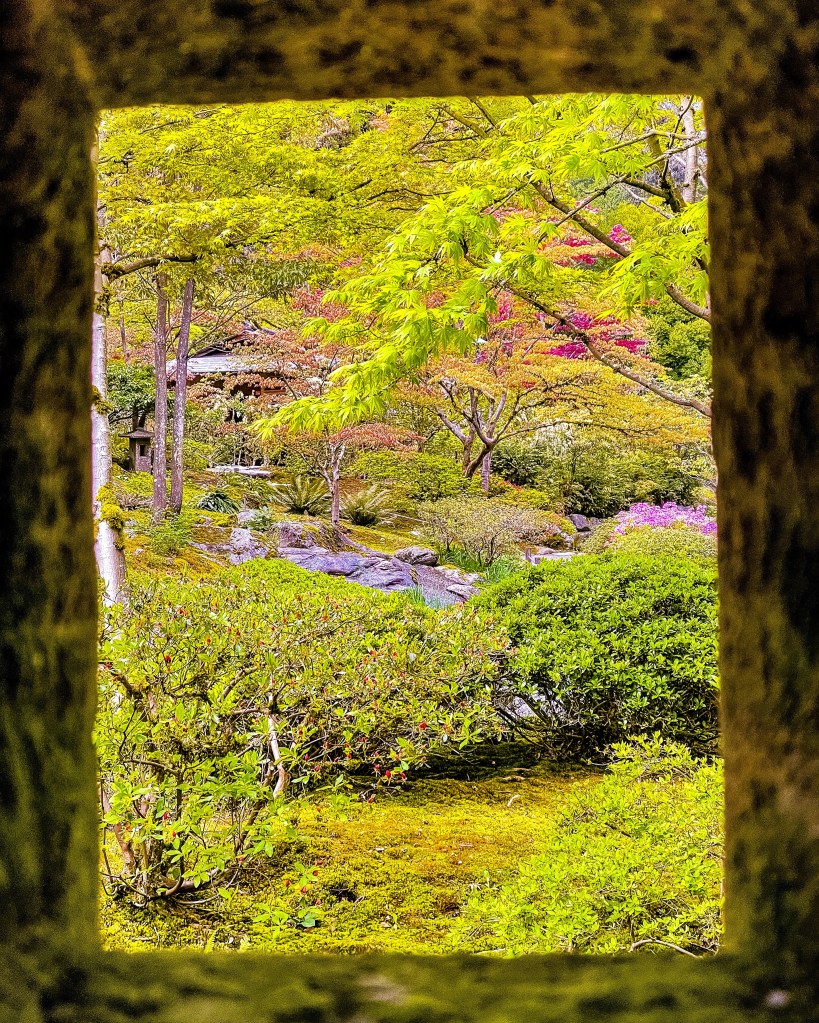
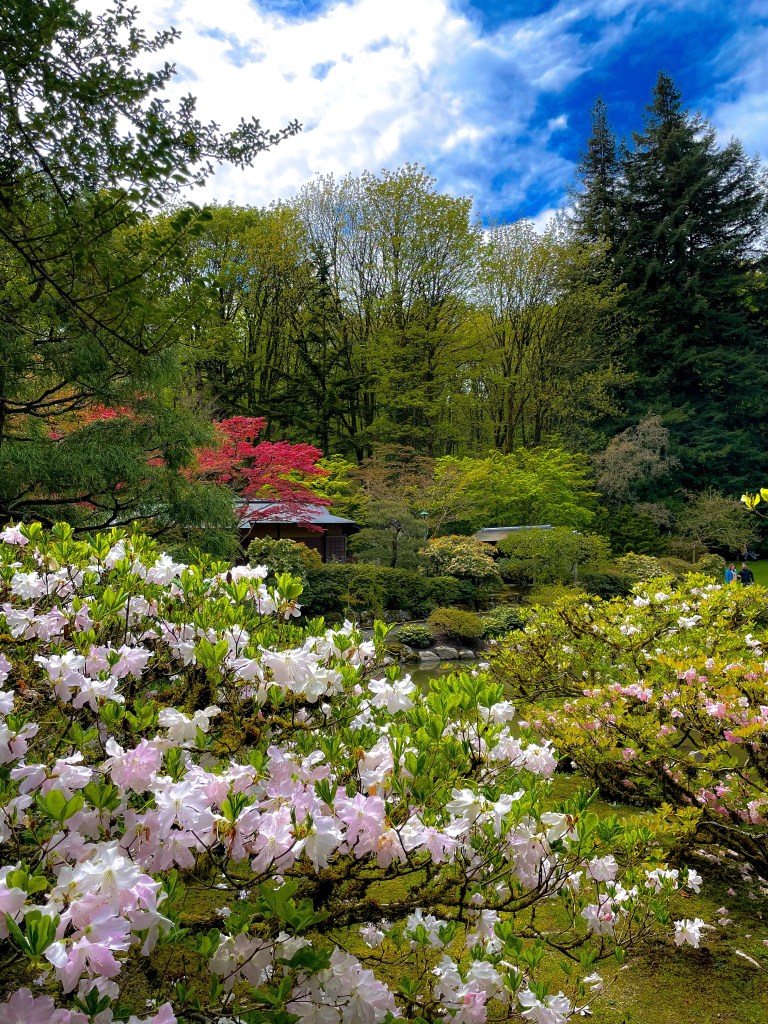
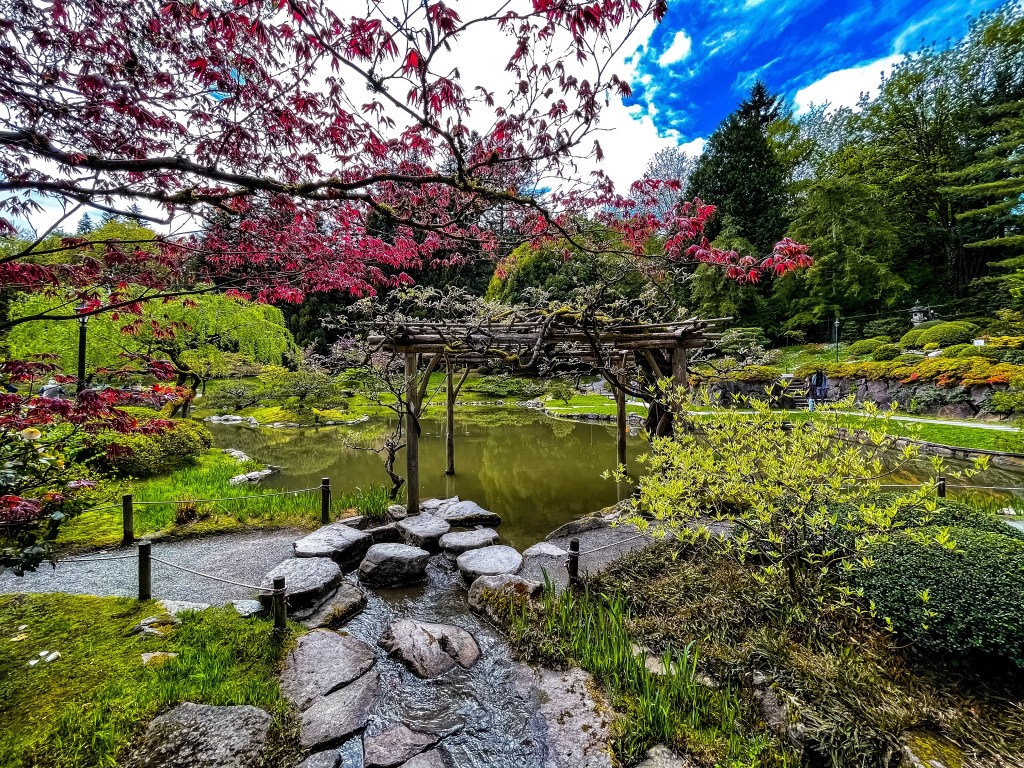
If you thought the Washington Park Arboretum was fantastic, meet it’s neighbor and kid sister – the Seattle Japanese Garden. Tucked away in a small corner of the Washington Park Arboretum, the Seattle Japanese Garden is host to some of most marvelously manicured walks, featuring beautifully landscaped arbors and a reflecting pond in the middle. According to local lore, the Seattle Japanese Garden is one of the finest Japanese-style gardens outside of Japan itself, and after one visit I can handedly see why – the attention to detail is exquisite, and their variety of specimens from the flora and fauna, down to the stone architecture and specific placement is impressively thought out, expertly designed.

Though the Seattle Japanese Garden isn’t the only Japanese Garden in the area, it’s easily the most gorgeous detailed and well thought out. Taking up a little over three acres, the Seattle Japanese Garden was first envisioned back in 1909; but, it wasn’t until the end of the 1950s, after World War II, that the garden started to really take shape – and became the first Japanese Garden in post-war construction on the West Coast of the United States.

Before we dive into the Seattle Japanese Garden, let’s take a little dive into the detailed qualities of a Japanese Garden! An ode to Shinto, Daoism and Amida Buddhist philosophies, Japanese Gardens (日本庭園, nihon teien) encourage visitors to reach a state of Zen and meditation through naturally created, or nature inspired, pieces within a minimalist aesthetic with weathered elements that evoke the ephemerality of life. The origins of the nihon teien date back to the Asuka period of Japanese history in the 6th and 7th century; the Japanese observed and digested many of practices at the epicenter of Chinese gardening at the time. Initially, Japanese Gardens popped up on the Honshu island of Japan, the main island, and immediately took natural elements of the landscape into the gestation of their gardens – the seasonality of the area, which had a distinct feel for each of the four seasons, in addition to waterfalls and streams, reflective lakes adorned with beaches of small stone set against slender valleys and the jagged tops of volcanos.

There are two major schools of Japanese Gardens – there are hilled gardens, tsuki-yama, or level gardens, hira-niwa; where the tsuki-yama gardens feature ponds in addition to their hills, the hira-niwa are more akin to moors, or valleys. As a traditional rule, tsuki-yama contains a stream, as well as a real pond of water; however, a tertiary variety of garden, the dried-up landscape or kare-sansui garden, is built to imply a former waterfall while dried ponds, or sand, replace the reflective pond to imply the barren nature of the terrain. Fun fact, the Japanese word niwa has evokes a purified location that is anticipating the arrival of the Shinto spirits, otherwise known as kami.

Other variations on the traditional hilled Japanese Gardens include rin-sen (forest and water gardens), sen-tai (water gardens); amongst the hira-niwa, you’ll discover the bunjin – the Literati, or “literary scholar” garden which is succinct, simple and typically is full of delicately manicured bonsai trees. Last but certainly not least we have the tea gardens; referred to as roji, these have a specific style that’s up to par with the requirements for an official tea ceremony. Some common elements among the nihon teien include guardian stones, springs and streams which flow from a waterfall, lakes, hills, islands, a variety of bridges.

Now, back to the Seattle Japanese Garden! In 1957, as the Arboretum Foundation began raising money for the project, the foundation reached out to Tatsuo Moriwaki from Tokyo Metro Parks to assist with their project – and he tapped in esteemed designers Kiyoshi Inoshita and Juki Iida to bring the vision to life. The garden began construction in 1959 under the guidance of Iida and Nobumasa Kitamura, finishing the next year in 1960. To fill the space, Iida and Kitamura ventured deep into the Cascade Mountains to Snoqualmie Pass, hand selecting 580 granite stones to be used in the Seattle Japanese Garden. To finish the construction, Iida, Moriwaki and Inoshita had the assistance of other Japanese American gardeners – on plants was William Yorozu, for stone setting they brought in Richard Yamasaki and finally for the garden structures themselves they solicited the help of Kei Ishimitsu. The Seattle Japanese Garden features details from the 16th century Momoyama Period, in a more formal or, shin, setting, as well as odes to the 17th century Edo period.

Even before gracing the grounds, you first have to pass through a detailed and lovely bronze gate from Seattle based sculptor Gerard Tsutakawa. Once inside, traditional features of a Japanese Garden present themselves in beautiful succession. First, you’re greeted by an open woodland and mixed forest that delights in Japanese Maples and a mix of Evergreens, with hints of pins, camellias and bamboo scattered around. Winding around the reflecting pond, there are a variety of different bridges to cross; first, a bridge created of earth (known as a dobashi) and then a bridge of planks (tatsuhashi).

Reaching the Northern peak which represents a mountains foothills, you’ll find a large stone wall that gives way to a sweeping view of the park. Coming back into the main grounds, on the Western side of the park, you’ll discover an orchard that sits sweetly surrounded by flowering cherry blossoms during the Spring, finally reaching the roji. Unfortunately, the original tea house on site was burnt down by vandals in 1973 – but was beautifully reconstructed in 1981 by Yasunori Sugita. Last, but most certainly not least, you’ll uncover the final treasure of the gardens – a bellowing waterfall, that ebbs and flows into streams, and finally to the central, koi pond.

The Seattle Japanese Garden is open from the beginning of Spring through the end of November, technically March 1 to November 30 when the grounds close for Winter Maintenance.  Open Tuesday through Sunday, park hours range from 10am to 7pm in the Summer, to closing at 6pm in April and September, 5pm in October and last but certainly not least until 4pm in November. Currently, the park is observing COVID protocols so be sure to be on your Ps and Qs with masks and social distancing inside the grounds. For parking, you can either park right at the SPG or if you’re on an adventure through the Arboretum, the park is on the South East end and a beautiful deviation from your normally scheduled blooms of the Washington Park grounds.

Curious if you have a unique, Japanese Garden in your neck of the woods? Head here to see your local fare! Do you have a Japanese Garden that you’re head over heals in love with? Show it some love and leave me a link to it in the comments below – I can’t wait to check out the places you can’t get enough of!


For more on the Seattle Japanese Garden, head to their socials – or just take a visit!

Website | UW’s Website | Facebook | Instagram | Twitter

“Life is a series of natural and spontaneous changes. Don’t resist them; that only creates sorrow. Let reality be reality. Let things flow naturally forward in whatever way they like.”

Lao Tzu

[Health Rx] The Current State of COVID: mRNA, Masks and Mental Health

In the blink of an eye, it feels like we’ve all teleported a year ahead; like the universe’s proverbial cat sat on the fast forward button of our “cosmic remote”. One second, it was February of 2020 and we were all discovering what the hell a novel Coronavirus was and how to navigate a “new normal” around it – and now it’s May 2021, and we’re one again wrapping our heads around how to re-navigate the world now that the vaccine has been rolling out to a larger proportion of the population. What can and can’t we do? How much longer will there be a mask mandate and where do we need to wear a mask still? Lots of questions with varying degrees of answers, depending on the source and what date you ask them! For references made in this post, please be aware I’m referring to what’s happening in the United States.

The Best Vaccine Memes And Jokes - Grazia

One of the issues that we’re dealing with on a global level, is the rollout of a vaccine where humankind is essentially the beta testers. We’re lucky in one respect, that the technology used to create our vaccines, whether Pfizer or Moderna, has been around longer than COVID-19 has. For decades, scientists have been intrigued by the advances of mRNA – or for the laymen, ‘Messenger RNA’. To wrap our heads around this, let’s walk backwards just a bit to understand the biology of our situation.

Our bodies are built on the backbone of DNA – deoxyribonucleic acid. DNA is a double stranded chain of polynucleotides that twist around each other to form a double helix, and hold the entire genetic code for instructions on the development, growth, function and reproduction of both all known organisms – as well as a lot of viruses. DNA is coded together with G, A, T and C coding. Think back to the movie Gattaca about the evolution of the human race when we’re not only allowed to, but inspired to, genetically enhance our children. The movie’s name is made of the genetic material in DNA (G-A-T-T-A-C-A).

Now, where DNA and RNA are similar, is that they’re both types of nucleic acids. Where they differ, is that RNA is a single strand of genetic data with one nucleobase; there are many types of RNA in he body – and mRNA’s main gig within the body is to be a messenger – carrying a specific set of instructions to our DNA that dictates the production of proteins, and sometimes even carrying genetic information.

Image Source: Genome.Gov

Created in the nucleus of a cell, then moving into the main body of the cell (or, cytoplasm), the protein materials that the body creates actually bind to the mRNA molecule and translates their code to inside of the mRNA. Eventually, it distills down to the ability of the DNA for a single gene to be translated into mRNA, to create a specific protein. Still with me? Good! Slightly confused? Don’t even worry about it – well, unless you’re a biologist. Now, why does this matter? Because this is how the vaccine for COVID was both created, and distributed.

For decades, scientists have been playing with the idea of using genetic material to attack and dismantle the genetic code of viruses – starting in the 1990’s with Katalin Karikó, now a Senior VP and BioNTech who is part of their mRNA program. Much of her research was shelved, she was even demoted during the time of her research. The scientific controversy that surrounded mRNA vaccines? The cells used for the mRNA research were fraught with ethical questions because they were from discarded embryos. It wasn’t until almost two decades later in 2007 when Derrick Rossi built on the findings during his time at Harvard Medical School. Why is Derrick Rossi important? He’s one of the original founders of Moderna. .

And now, we’re a bit full circle – Moderna, BioNTech – and Pfizer, who are working with BioNTech, all are using mRNA based vaccines to combat COVID with genetic information that targets the virus specifically, Ah, yes – it seems like to combat a new virus, we’re having to use new methods of genetic self defense; and synthetic mRNA is the key to it.


There are a lot of people who want to get into discussions of “keep the government out of my body”, or “it isn’t safe” – and they would probably be riddled with anxiety if they actually took their own words to heart. There are many things that our 2021 selves habitually engage in that they don’t care about the effects of: refined sugars in foods, caffeine, nicotine, heavy drinking, social media – or simply just media – addition, etc. I would love to hear their opinions on those after reading some reports, so for now, we’re just going to ignore that part of the conversation.

I did get vaccinated – I’m now three weeks out of my second dose of the Pfizer vaccine. I didn’t have any side effects, except being exceptionally happy to finally get it. So, for those like me, or others in the process of being fully vaccinated: now what?

Firstly, make sure you keep your vaccine records in a safe location – chances are high that you’ll need to display them in the future. Secondly, I know it’s really fucking exciting to get your shots – but try your best and don’t share personal information on social media.

Whether its for travel abroad or domestic, college education or a Summer concert series, vaccine passports will most likely be coming to the United States whether we’re ready or not. The EU has just announced vaccinated Americans may visit by the beginning of the Summer; meanwhile Universities like Duke and Oregon State are all requiring returning students to be vaccinated when campus re-opens for in person instruction this fall. Two moves that I am perfectly happy with. When I went to UCSB in 2003, we were required to prove we had several vaccinations before living in incredibly close quarters with others – it’s a smart, health conscious decision. If you want a digital way to display them, you can keep track of your vaccine with V Safe – you can also track your weekly health after your vaccination.

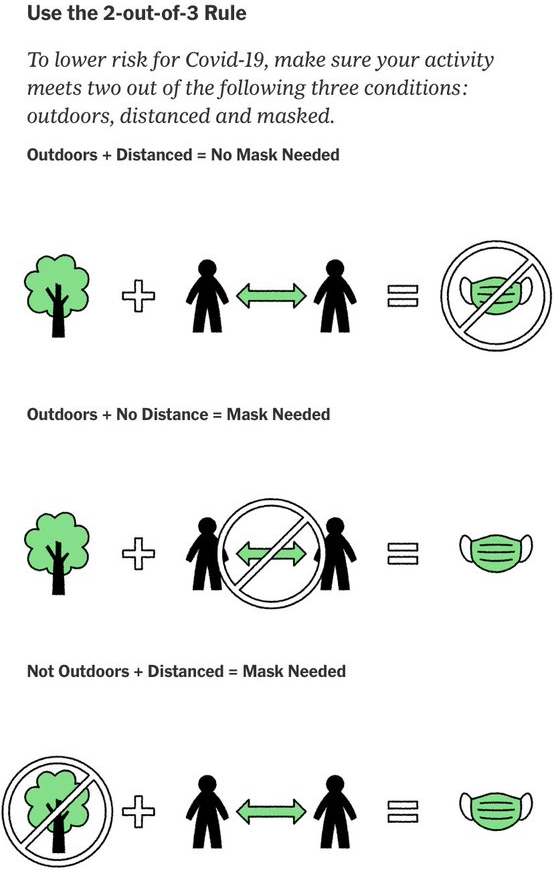
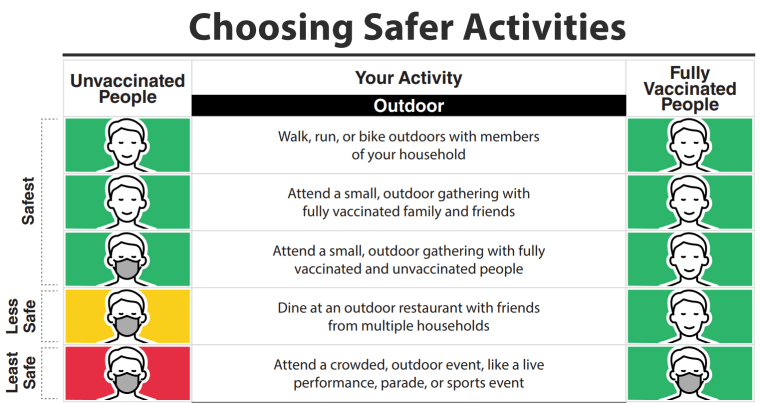
As for your masks? You’re going to want to keep that around – and most likely, somehow, around your neck. The mask rule has been updated recently, and yes…it’s often hard to keep track of when you’ll need a mask; so I just err on the idea that at some point I could need it and would rather be safe than sorry.

If you’re vaccinated – you can still be an asymptomatic carrier, without presenting with any sort sickness; the benefit of the vaccination! So to minimize the risk of you (a non sick, fully vaccinated) person giving it to an unvaccinated person – you’ll only need it when you’re inside, it’s crowded and can’t stay six feet away. You’re at a full go to get back to the “new normal” we’re trying to navigate.

Conversely, if you’re unvaccinated or only have one Moderna or Pfizer shot – the only way you get to be maskless is if you’re with members of your household or if you’re with fully vaccinated people. Whenever you have a chance of being around anyone unvaccinated, indoors or out, you will want to wear it.

The CDC released updated guidance on outdoor mask usage.

As of the morning of May 4th, it was estimated that roughly one third of the country has been vaccinated – which is a good push, but not enough for the United States to be anywhere near levels necessary for herd immunity. I am thrilled that people are getting vaccinated, and at the same time equally nervous about the implications if we don’t vaccinate enough of the global population.

For the last year, my family unit has done their due diligence to keep ourselves and others safe; we’ve limited visiting with others, reduced our local footprint, always had a mask and disinfectant on us and drastically adjusted how much we were spending time in social settings. I’d be remiss to think it didn’t take a psychological toll on me, or anyone else – regardless of how restricted your universe became or not. A year later and two vaccines in, I do feel more confident being outside and around strangers since the second vaccine shot. Admittedly, I still get a bit claustrophobic in large crowds and agoraphobic to be outside at times when I’m anticipating a crowd; but, from the sound of it, these aren’t uncommon feelings . The more I interact and engage within the new normal, the more my anxieties have fallen by the wayside.

How are you and yours How are you handling things re-opening where you are? Are you vaccinated – or do you intend to be? Let me know in the comments below – I’m interested to hear where everyone stands.

Stay safe, and stay sane, my friends!


Distracted Boyfriend Meme - Imgflip

Thanks, Pfizer
Covid-Vaccine-Jokes

[I’ve Got 5 On It] Wonderful Ways to Elevate your Writing Game

Raise your hand if you’ve tried at least one new craft or hobby during the last year in quarantine? It’s not like it was a prerequisite for lockdown, but on a personal level – my creative edge was one of the few things that kept me sane during those weeks, then months, that we were barely leaving our homes. Thanks to a supportive family and parents that were always cultivating my curiosity – crafts have been a large part of my life for as long as I can remember. Whether it was making glycerin soaps and essential oil blends when I was in Elementary School, or having my birthday parties at the local Bead Shop – I’ve been able to dip, dabble and discover innovative ways to explore both the world, all the while embracing and enhancing my mental health.

What does creativity have to do with mental dexterity? Well, in my humble opinion – everything! The more creative we can be with the tools in front of us, the more inventive and original we become when discovering and dealing with the tools inside of us. As it turns out – the art and act of creativity is good for the mind, body and soul: enhancing our mental health, invigorating our immune system and boosting our mood by lowering our heart rates, reducing our anxiety and adding dopamine. I can’t think of a single person who hasn’t felt the pull and push of the new “normal” this past year, and it’s done a number on us internally with our mental health – and externally with our social circles and support systems.

Everyone has their preferred methods of communication, and most likely a few they avoid like the plague. I thrive on in person communication, and by in large it’s the one thing none of us have gotten enough of; I miss smiling eyes and eruptions of organic laughter, I miss hugging my friends and being lost in the middle of dance floors. I would be lying if I were to tell you I liked FaceTime; I don’t hate a lot of things – but FaceTime was up there, at least until quarantine. Same with Zoom “parties” – they’re just, a bit overwhelming for me. As a writer, I haven’t minded much that my conversations have been reduced to texting or chats, but at the end of the day I still was seeking a non-digital way to be present with people. Enter: letter writing.

I’ve never been much of a fan of my own handwriting, but realized I don’t see it that often these days thanks to computers, cell phones, and the like. Last Summer, I started playing around with different types of pens, and realized that even though I spend a good amount of time blogging I was really missing that pen-to-paper action. It started as a quest to draw something more than stick figures and evolved into an excursion to find the best doodling tools. Over time, my drawing elevated – but I realized my handwriting could use a bit more manicuring; I mean, when’s the last time you tried to write out the cursive alphabet?! That’s when I put two and two together into a proverbial four, and found a new resource for my writing in handwritten notes, letters and calligraphy. Letter writing itself feels like a lost art form, and it’s helped me connect the dots of my thoughts succinctly and sweetly. Not to mention, there’s nothing quite as sweet as a handwritten love note – especially when it comes from friends and family.

Are you looking to elevate your writing game to the next level, or simply looking for a new hobby? I’ve got you covered with my five must-haves for perfecting your penmanship.

Want to start stepping up your writing game but not sure where to start? I’ve amassed a small but mighty collection of books that have been beneficial in my lettering journey and here’s a few I couldn’t recommend more:


Best Guide to Hand Lettering

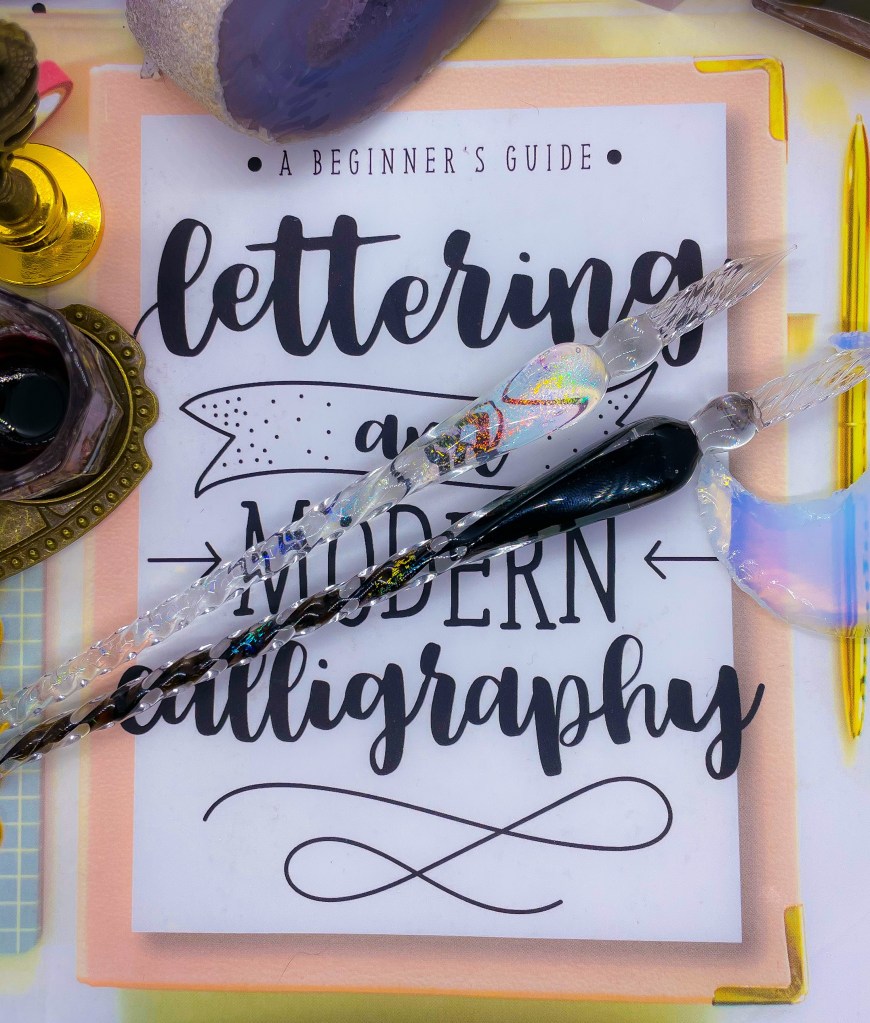
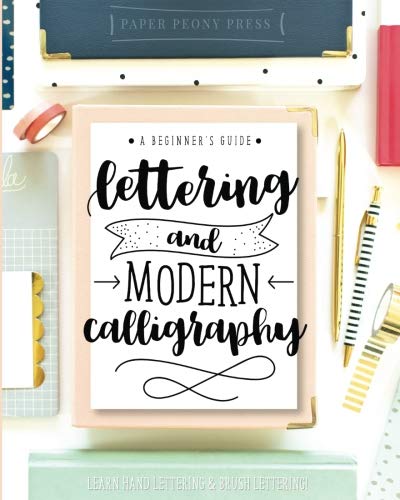
A Beginner’s Guide to Lettering and Modern Calligraphy – $6.99

From the fantastic folks at Paper Peony Press comes my favorite tool of the trade for lettering hands down. This book for perfecting your writing style touches a variety of different styles of modern calligraphy, has great summary pages and provides a pretty little introduction to all things hand lettering.

Pro tip – make photo copies of pages, or lay another page on top to preserve the book as you go; that way you can re-use and retrace the lettering exercises over and over again until you’ve got things down pat!

Honorable Mentions:

I’ve tried my hands at a few lettering books; there are lots out there for every type of skill set. Being such a novice at thhis point in my life, I also found an affinity for Hand Lettering 101 ($18.99 on Amazon)


Best Hand Lettering Set for Beginners

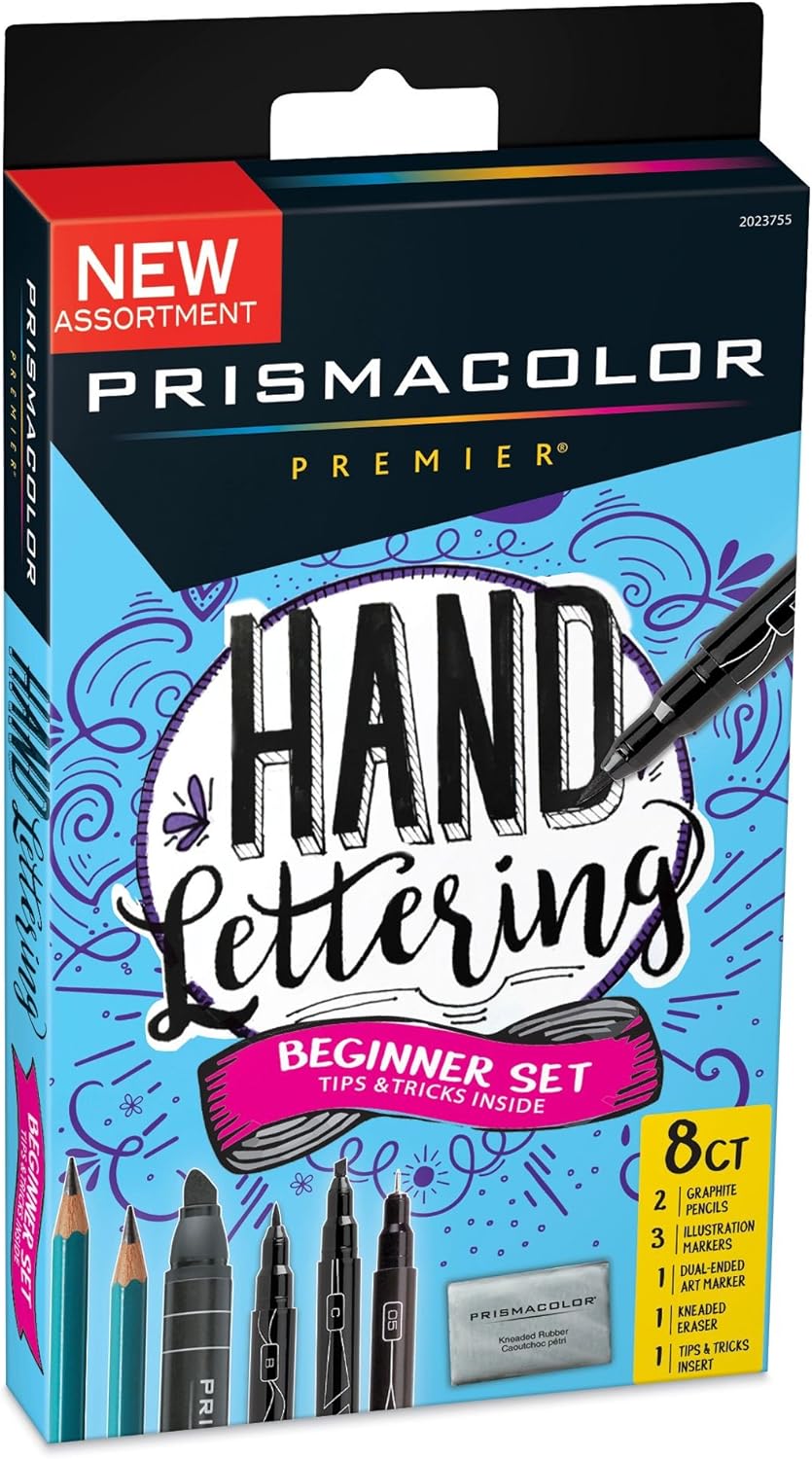
Prismacolor Hand Lettering Set – $12.60 on Amazon

Want to get your hand writing form down but not sure where to start? The fantastic folks at Prismacolor have you covered! They have tons of variety packs to choose from when it comes to learning to letter – but for all it’s worth, this one takes the cake for me.

Coming in hot with two graphite pencils of differing weights, one at a 2H the other at a 2B, for easy and smooth outlining, and a kneaded eraser – you’ll be able to get your shapes and sizing right before you lay it down with one of three illustration markers, or the double ended art pen with a chisel on one end and a fine tip to dive into your details. Plus, now you’re already set up for future sketching success!


Best Glass Pen Set

ESSHOP Glass Pen Set – $16.99 On Amazon

Growing up, I didn’t realize how spoiled I was when it came to creative habits. My mom and my step-mother both loved gardening, movement and music; my mom is where I get my writing habits from – but my step-mother is where I first discovered my love for the act of writing.

Where my writing looks more akin to my mother and fathers, and we all might as well have become doctors based on how illegible our writing can become – Jane’s writing may very well become it’s own font one day. Perfectly spaced and exquisite down to the last detail, her love of letter writing, cursive and calligraphy was nurtured onto me from a young age and I’m so happy to carry that tradition forward.

After toying around with hand lettering and calligraphy pens over the Summer, I quickly turned my attention to using glass pens – and let me tell you, writing with intention got real, and it got really colorful. Handcrafted and unique, each glass pen from ESSSHOP shines with technicolor shimmer throughout the body and is riddled with spiral grooves to extend your writing time.

It’s almost a meditative form of writing – you have to pay keen attention to your form, how much ink you swooped up and what thoughts you can get from brain, to finger, to ink, before you have to reload. Plus, the ink comes in a variety of colors – these from ESSHOP have a wonderful gold foiling effect – and are the perfect present for anyone looking to level up their writing, or evolve their style.


Best Quill Pen Set

NC Quill Pen Ink Set – $27.99

If you love the idea of glass pens, you’ll be tickled pink by my next pick. After a few months getting into the groove of my glass pen, I thought it would be cute to throw it back a few centuries and see how I liked writing with a Quill. Oh, yes – feather pens!

They’re a fun gift, and if you’ve been able to master glass pens this is almost a no-brainer. Word to the wise, if you loved the length you could write with a dip of the glass pen you’ll find out very quickly that the quill tip doesn’t hold ink for very long. This set includes several different writing nibs, a bottle of ink and a wax set so you can seal your letters up just like the olden days!


Favorite Journal

Siixu Colorful Blank Hardcover Notebook, Large – $12.99

Siixu Colorful Journal in Summer

Last, but not least – if you’re going to be working on your writing skills – you may as well have a lovely place to journal. I’ve fallen head over heels for this one from Siixu.

They come in four festive flavors; one for each season. I fell in love with all of them, but Summer might take the cake for the gradients of color interspersed throughout the journal. Great for a diary, a poetry or tarot journal, or simply to practice lettering – the journals from Siixu are elegant pieces of work all to themselves.

If you happen to prefer blank journals, Paperage has a wonderful assortment of hardcover journals in both lined and unlined varieties.


For more personal favorites, head over to my curated list on Amazon where I’ve compiled a few of tools, resources and fun accessories to make writing your current favorite creative outlet, and perfect the personal art of penmanship.

Am I missing one of your favorite writing tools? Have a fantastic book or style you’d like to add to the mix? Let me know in the comments below and happy lettering!

[Seattle Sights] Choose Your Own Adventure at the Washington Park Arboretum

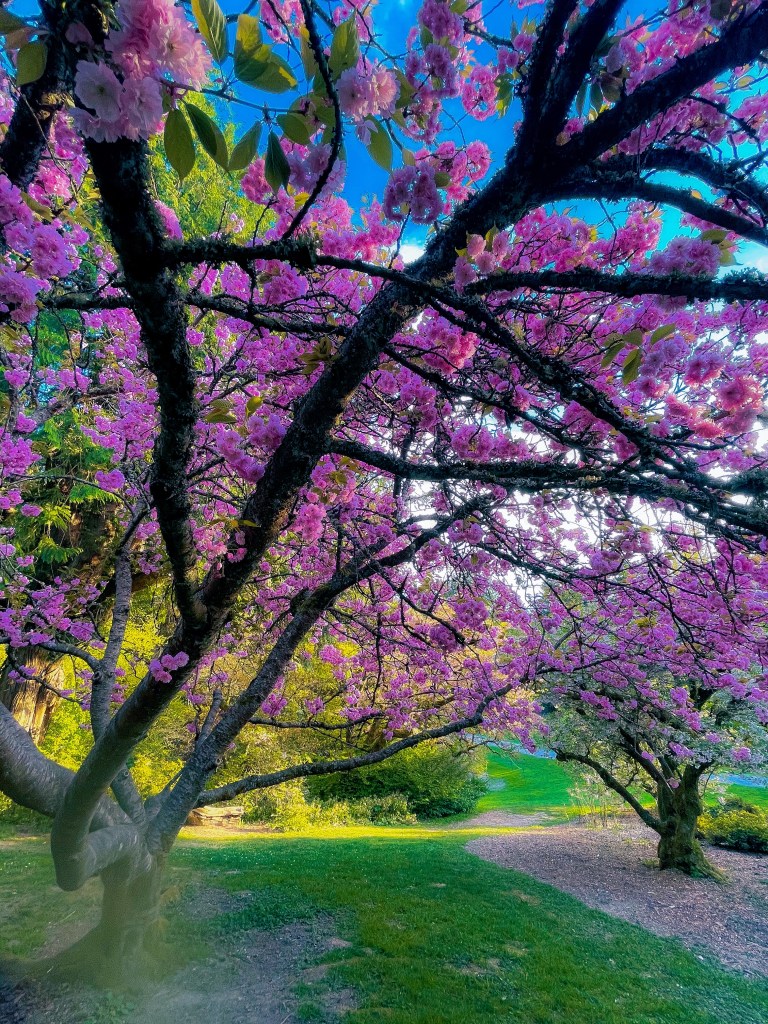
This image has an empty alt attribute; its file name is d436d932-4246-41b6-9165-fbcbcdd58ce2.jpg

I’ve said it before and I’ll say it again, one of the most phenomenal things about living in the Pacific North West is the vast variety of accessible nature. From diverse deserts and wanderlust inspiring waterfalls, to rich coastlines and island hopping through the San Juan Islands – Washington has a bit of something for everyone. Seattle and it’s surrounding areas – doubly so. From Lake Washington and Lake Sammamish to the Puget Sound, the Cascade Mountain Ranges and hidden parks in nooks and crannies all over – there’s a reason we call it the Pacific North Wonderland.

When my husband and I first moved up to Seattle, we found ourselves in an living over in the Sand Point area near the University of Washington. At the time, we didn’t know much about Washington or Seattle proper, but the area seemed a keen pivot point for getting to anywhere and everywhere throughout the Sound. Whether we ventured North and East on an adventure to dip our toes in watering holes, or South and West to Seattle proper, we could find ourselves surrounded by a symphony of succulent scenes. To me, the irony always was that our favorite park wasn’t in a far reaching corner of the state – it was actually just a hop, skip and jump around the corner at the University of Washington.

Sitting on land with a complex history, the Arboretum grounds were homebase to the Coast Salish tribes of Washington, with several villages around the area. As time, and colonialism, went on – the area shifted to ownership by the Puget Mill Company which unfortunately logged some of the largest trees in that region. As we shift into the 1900s, the land was transformed into was one of Seattle’s original city parks. In 1903, landscape architects for the region – the Olmsted Brothers – drew up a plan for the Seattle Parks and Parkways, with Lake Washington Boulevard at the crux of their idea. Fast forward to the 1930s, the incredible Washington Park Arboretum boasts an incredible variation in vegetation with one of the largest plant collections in North America.

Spanning over 230 acres of luscious vegetation, you can take the 3.5 mile walking loop around the edge of the park or you can dip the main roads, ebb and flow around the Arboretum Loop Trail and discover your own way through the heart of the park. Just like a choose your own adventure novel of eons past, each time at the Washington Park Arboretum is a unique experience featuring the mercurial nature of our weather, and the chosen blooms of the day.

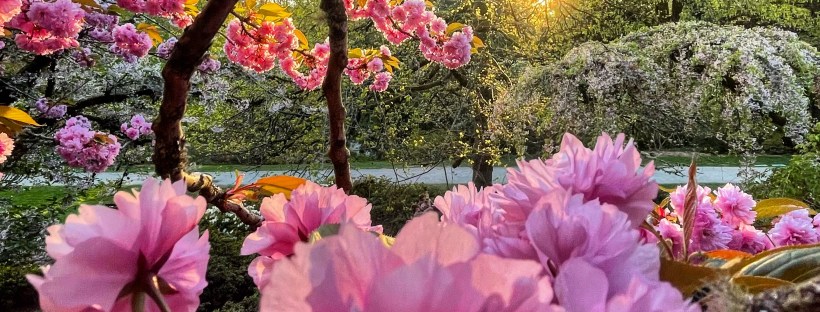
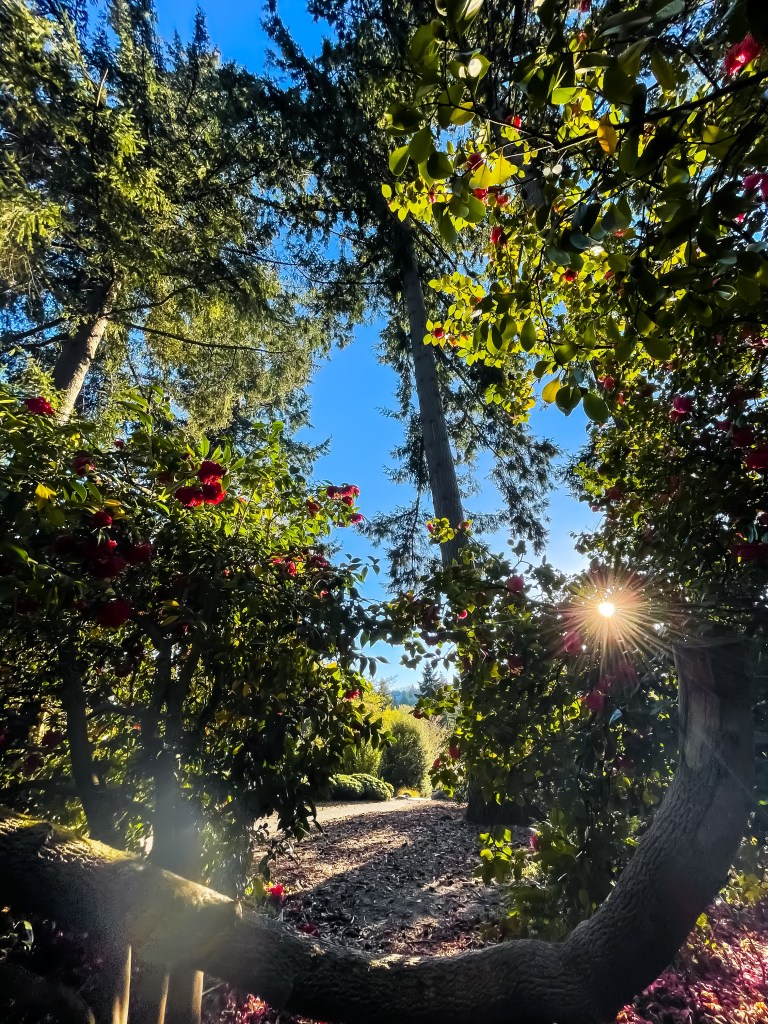
Playing host to vast collections of rhododendrons, camellias, larches and lindens, oak trees, Japanese Maples, magnolias and azaleas has earned the Arboretum international bragging rights. Open daily from dusk to dawn, the Washington Park Arboretum is workout friendly, run friendly, child friendly and dog friendly. From the northern tip of the park on Union Bay’s southern shoreline and into Foster Island on down through the incredible and everchanging landscapes of the Arboretum, every inch of the park is immaculately drawn together for an unreal experience any time of year.

In the Summer months, bright blue skies overhead and a menagerie of birds grace the scene as the floral aroma wafts from every corner. Head there in September to watch the leaves shift their hues from vibrant greens to magnificent reds, yellows and oranges in what I consider ‘Seattle’s Second Spring.’ In the Winter, if you time your visit just right – you can see the grounds covered with a fairy dust of snow, making it seem like you just walked out of a story book. And Spring – well, Spring is a whole new shade of wonderful at the Arboretum.

My personal favorite spots at the Arboretum are the reflecting ponds during all seasons, the Giant Sequoias and the rhododendron glen in the Springtime. But you honestly can’t go wrong no matter which turns you take. With over 10,000 trees and more than 40,000 plants, each visit truly is it’s own unique and unforgettable journey. For those that simply can’t get enough of the Washington Park Arboretum, try the Seattle Japanese Garden located just across the way for a wonderful experience – more on that in a later post!

May be an image of flower, nature and tree

What’s your favorite park in your neck of the woods? I’m always looking for a great adventure – and maybe I’ll pick yours next; drop them some love in the comments below and share some geographical gems of your own!

For more on the Washington Park Arboretum at the University of Washington, scope out the park with an incredible and interactive bird’s eye view, then head to their socials for the full 411.

Website | Arboretum Foundation | Facebook | Twitter | AllTrails

Photo Credit: Daniel Leist Photography